The Office Stair-Sprint Protocol: Supramaximal Power Repeats for Office Workers High-intensity interval training is often associated with joint impact, muscle and/or tendon injuries, severe post-workout soreness, and the inconvenience of changing into athletic gear and showering. By merging concentric-only mechanical loading with the bioenergetics of Glycolytic Power Repeats, you can trigger simultaneous cardiovascular, mitochondrial, and…
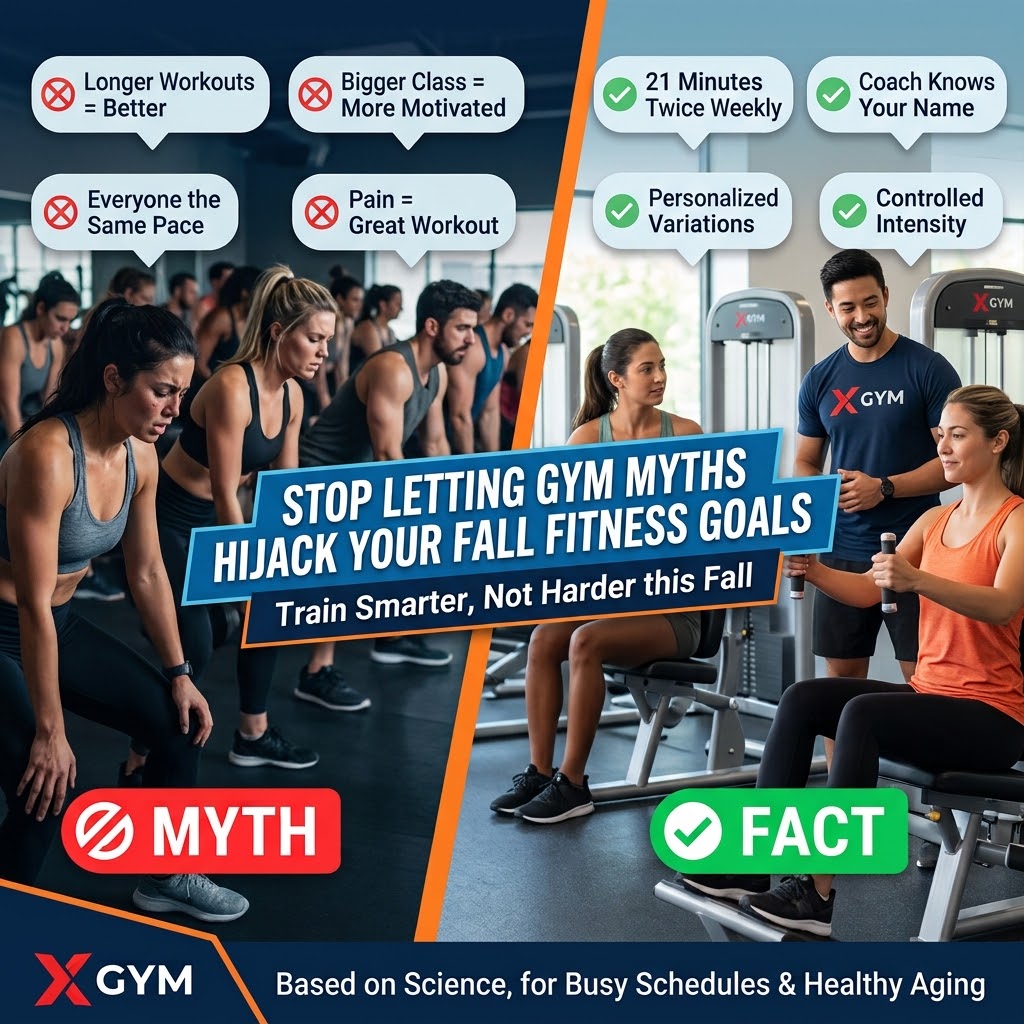
Stop Letting Gym Myths Hijack Your Fall Fitness Goals Group gym training can feel extra tempting when school starts, schedules settle, and it feels like the right time to get back on track. Classes seem social, fun, and structured, so it feels easier to commit. The problem is, a lot of common gym myths sneak…
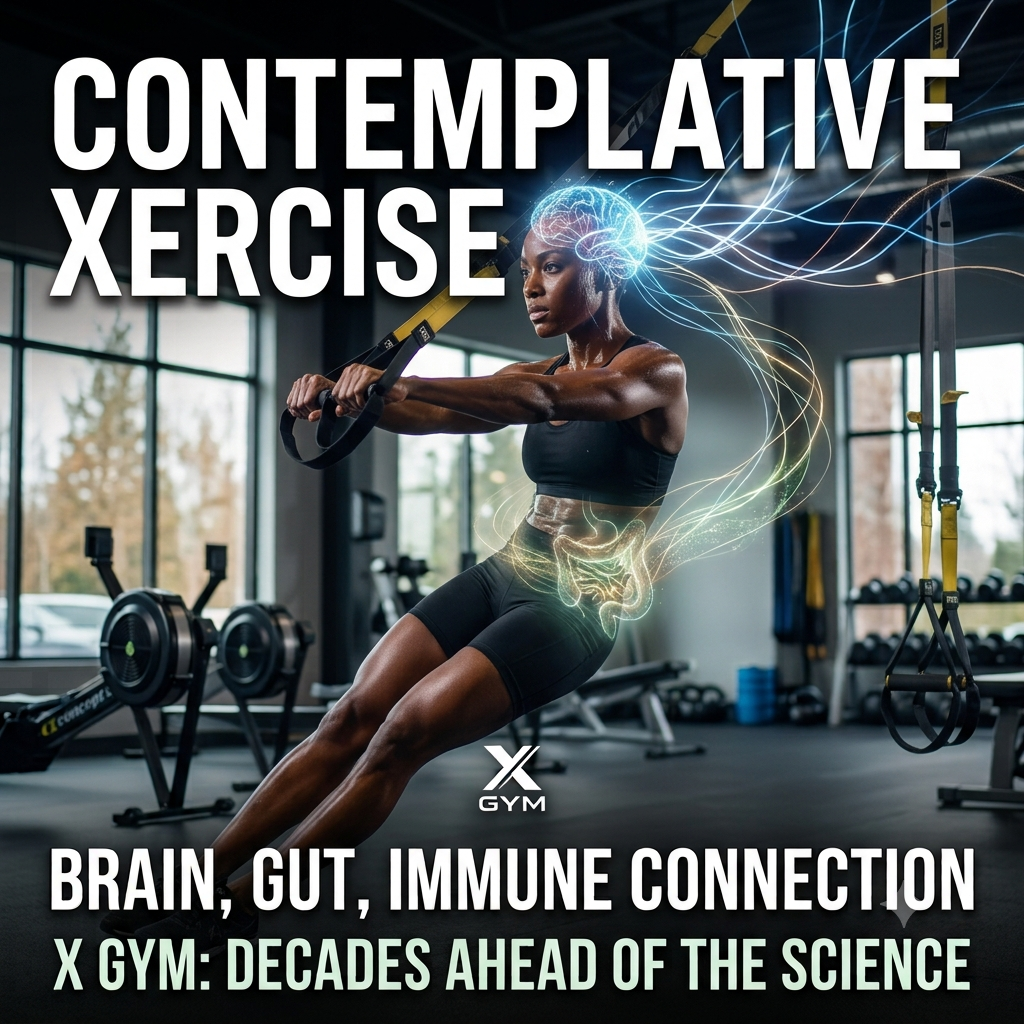
Mainstream science is finally catching up with us again. Recent discussions in neuroscience and biohacking have begun to highlight a concept called “contemplative aerobics”—the deliberate integration of physical exercise with mental awareness. Researchers like Dr. Richard J. Davidson are now publishing data confirming that physical training is not just about skeletal muscle; it is an…
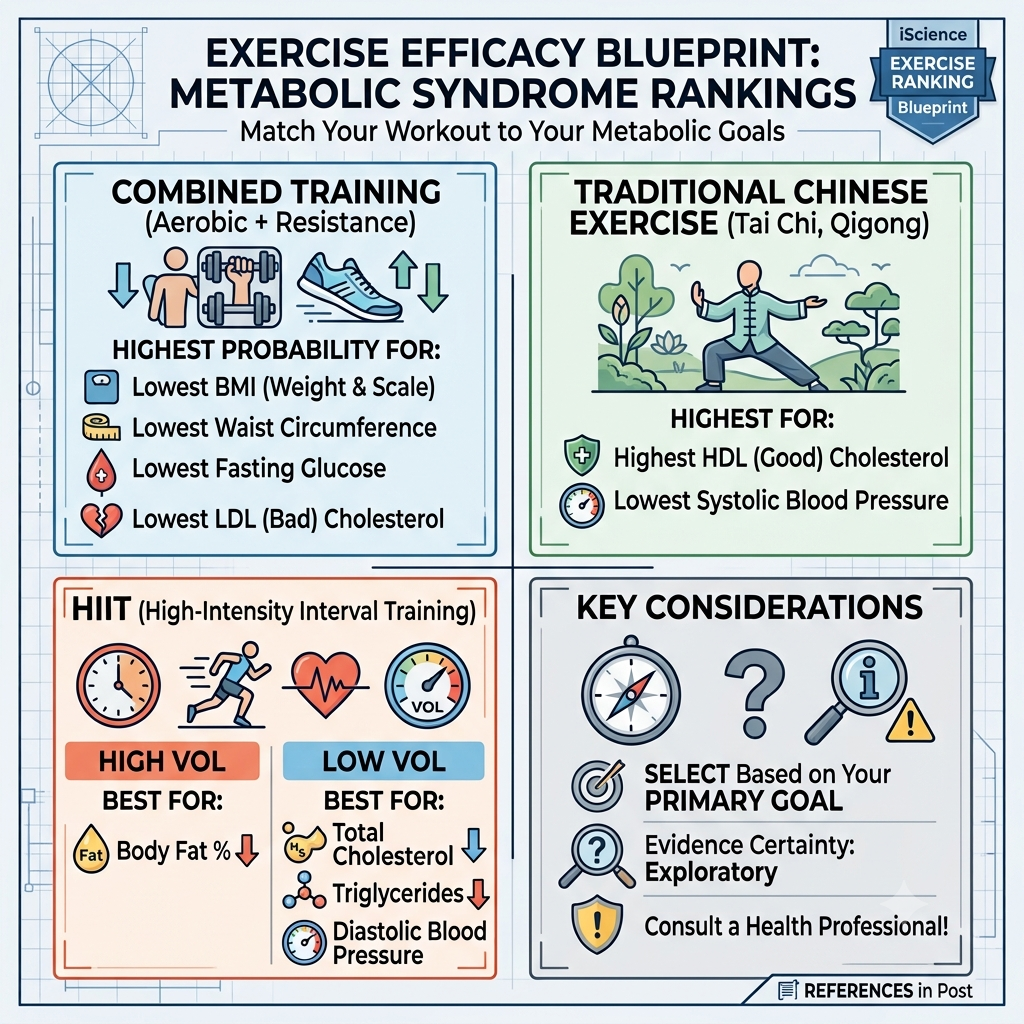
When engineering protocols to reduce biological age and optimize metabolic markers, the specific type of physical stimulus matters. A recent network meta-analysis published in iScience evaluated 53 randomized controlled trials involving nearly 3,000 participants to determine exactly which exercise modalities work best for specific metabolic conditions. The definitive takeaway is that no single routine rules…
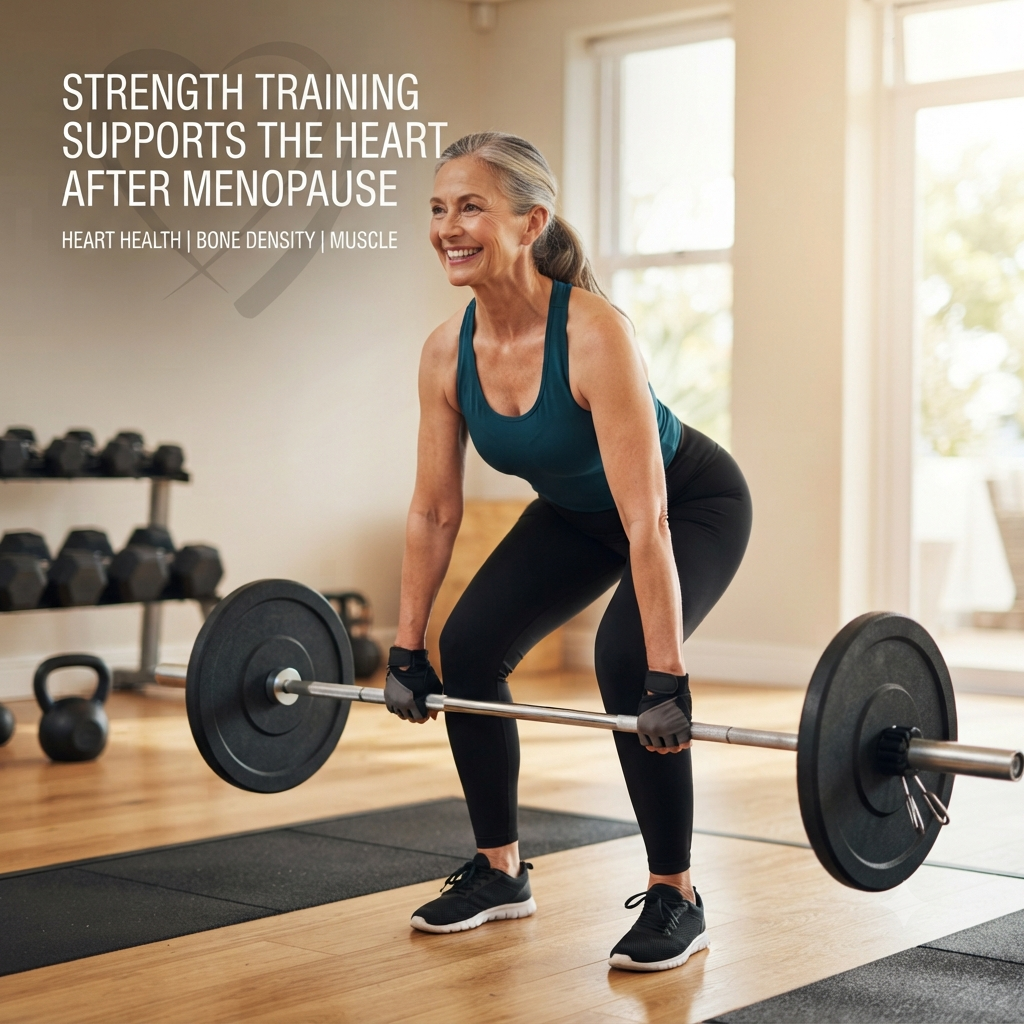
When it comes to exercise, we often divide our workouts into neat little categories. We lift weights to protect our muscles and bones, and we do cardio for our hearts. But recent science shows that this division is far too simple. A major review of 60 studies found that resistance training does much more than…
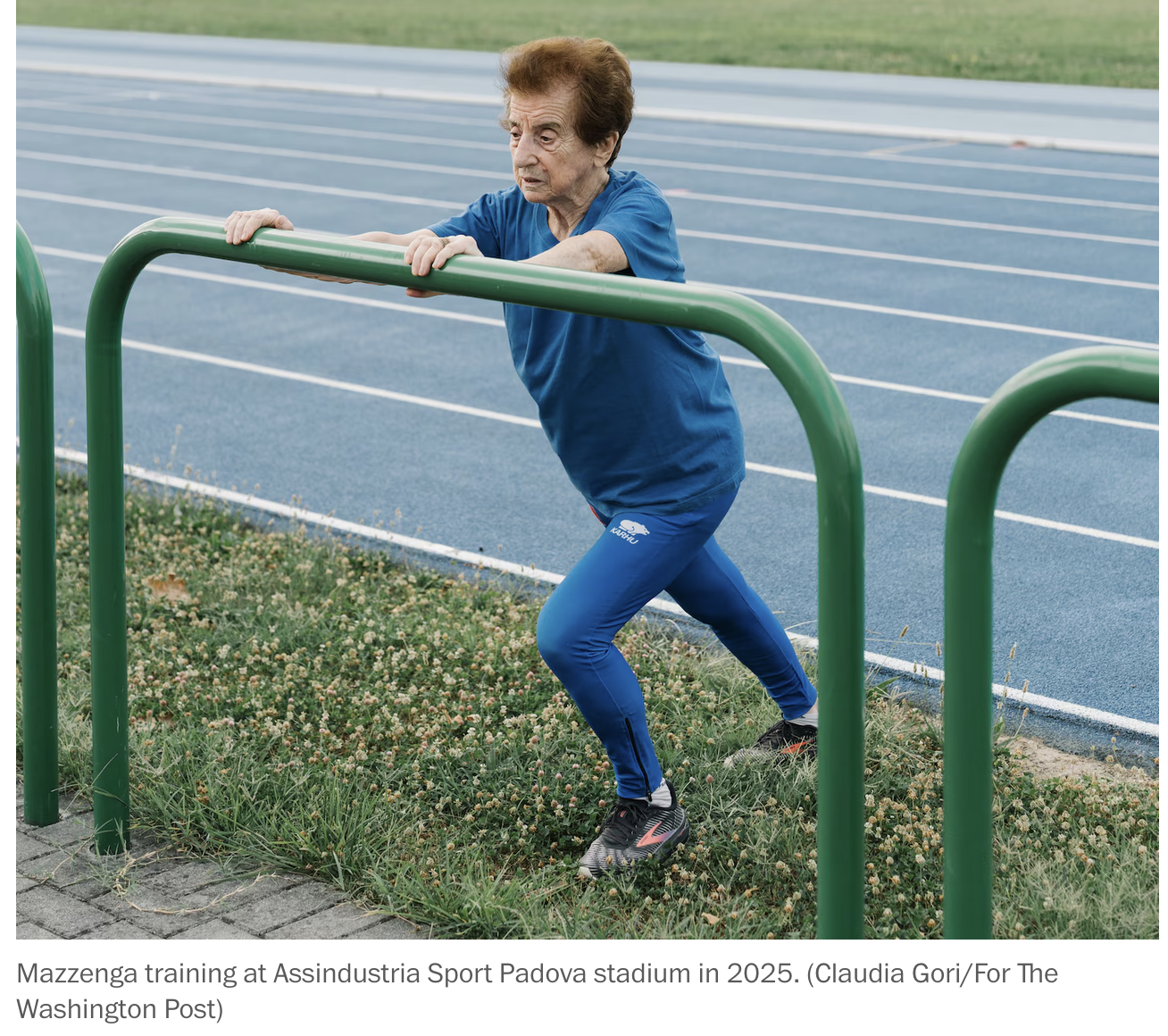
Mainstream fitness protocols have long championed prolonged, moderate-intensity aerobic exercise as the gold standard for aging. The cellular data, however, tells a radically different story. Consider Emma Maria Mazzenga. At almost 93 years old, she holds multiple age-group world records in sprinting. Laboratory analyses of her physiology reveal the mitochondrial function of a 20-year-old and…