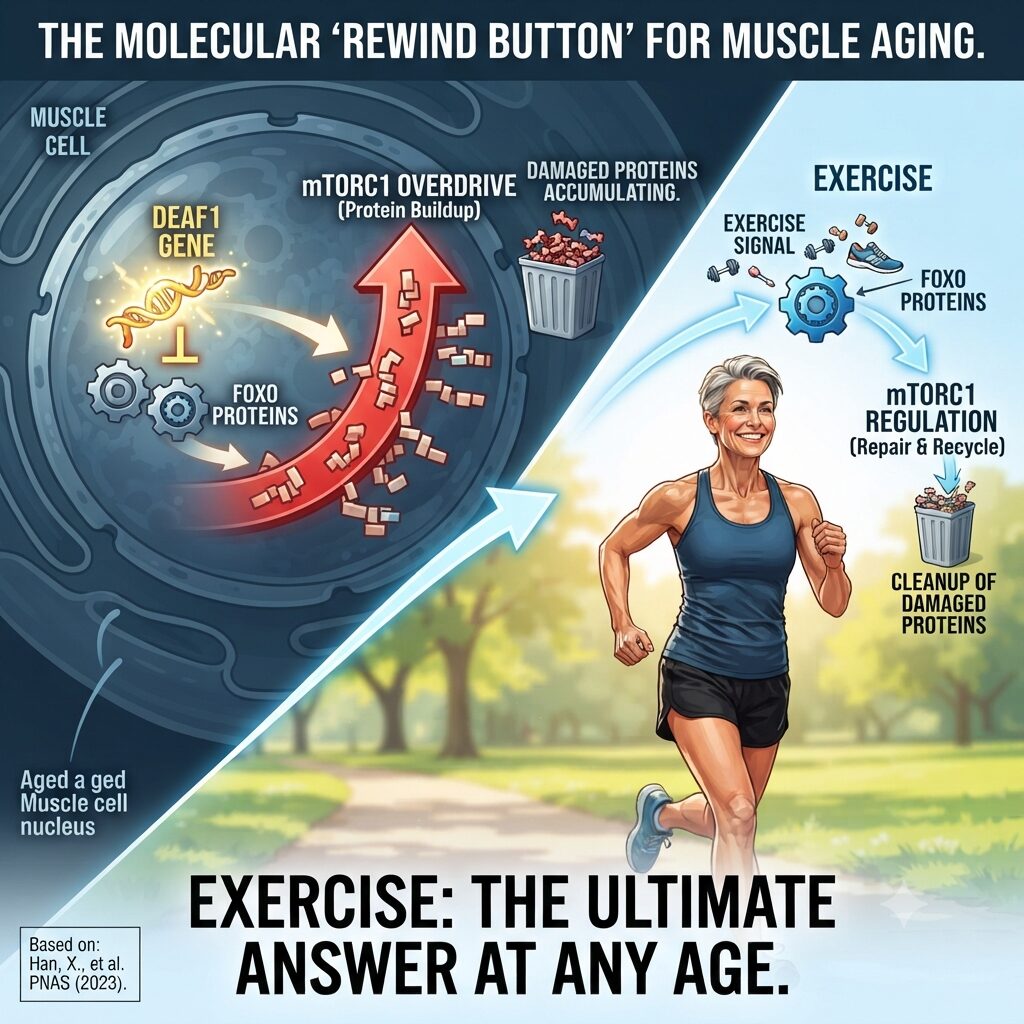
For years, we viewed the loss of muscle strength as an inevitable tax paid to time. As we cross into our 50s and beyond, the gradual decline in function—the slowing recovery from injury, the creeping weakness—has often been accepted as a fact of life. But a groundbreaking discovery from Duke-NUS Medical School has shifted this…
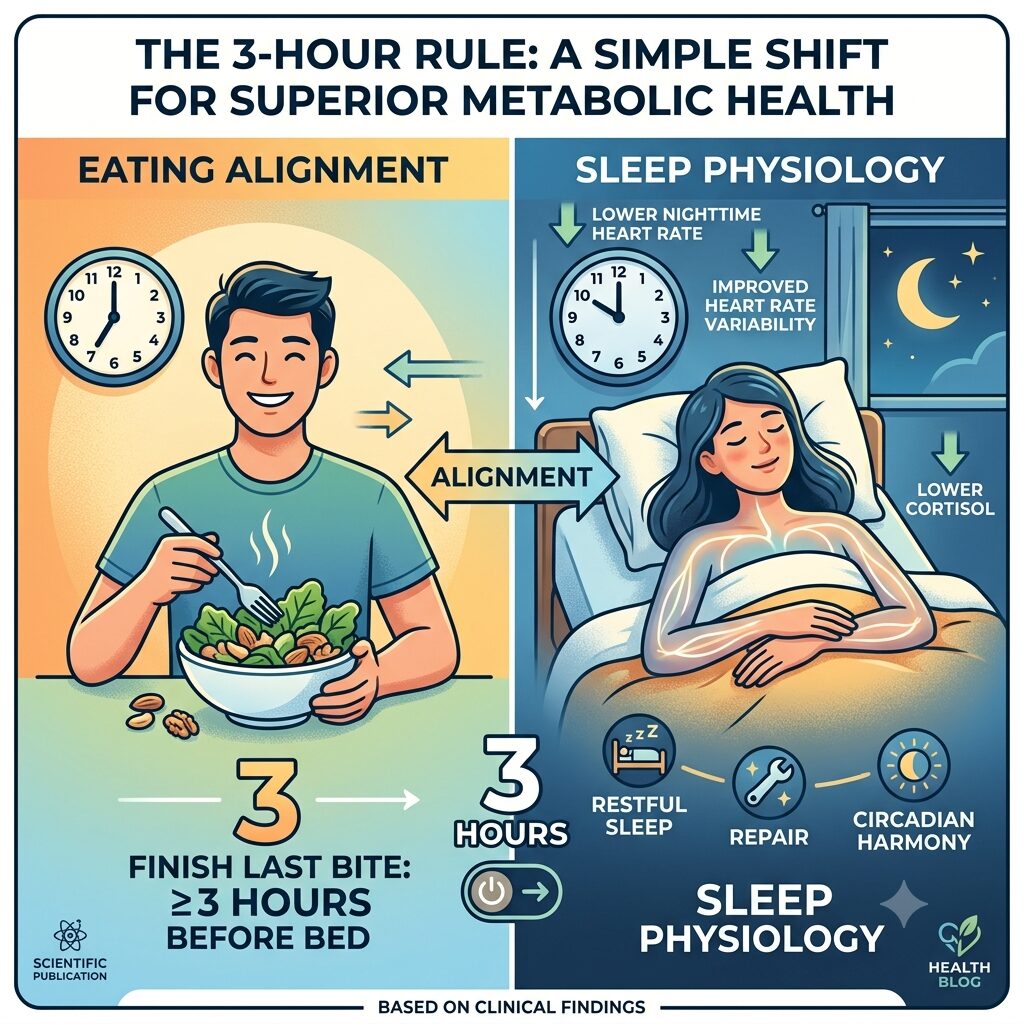
For years, I have advocated for one foundational meal-timing practice: finish your last bite of food at least 3 hours before bed. While often associated with weight loss, recent evidence suggests that the most profound benefits of this strategy are about aligning your metabolic engine with your circadian biology. The Science of Alignment A recent…
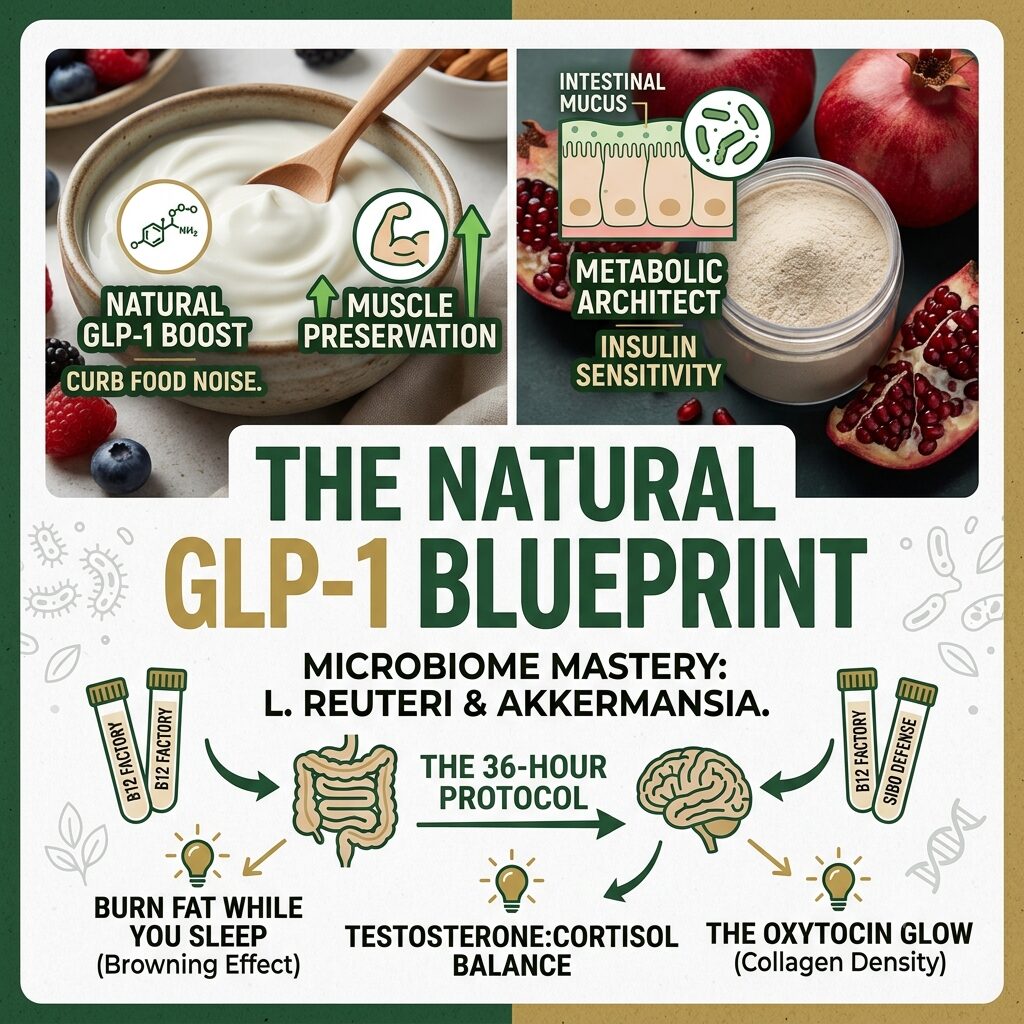
Why You Should Ditch the Drugs for Microbiome Mastery Why is there such huge GLP-1 antagonist drug hype nowadays? Well, most people have trouble with hunger, cravings, munchies, and self-control when it comes to food, and if they could just take a pill or weekly injection to help with that, most would do it –…
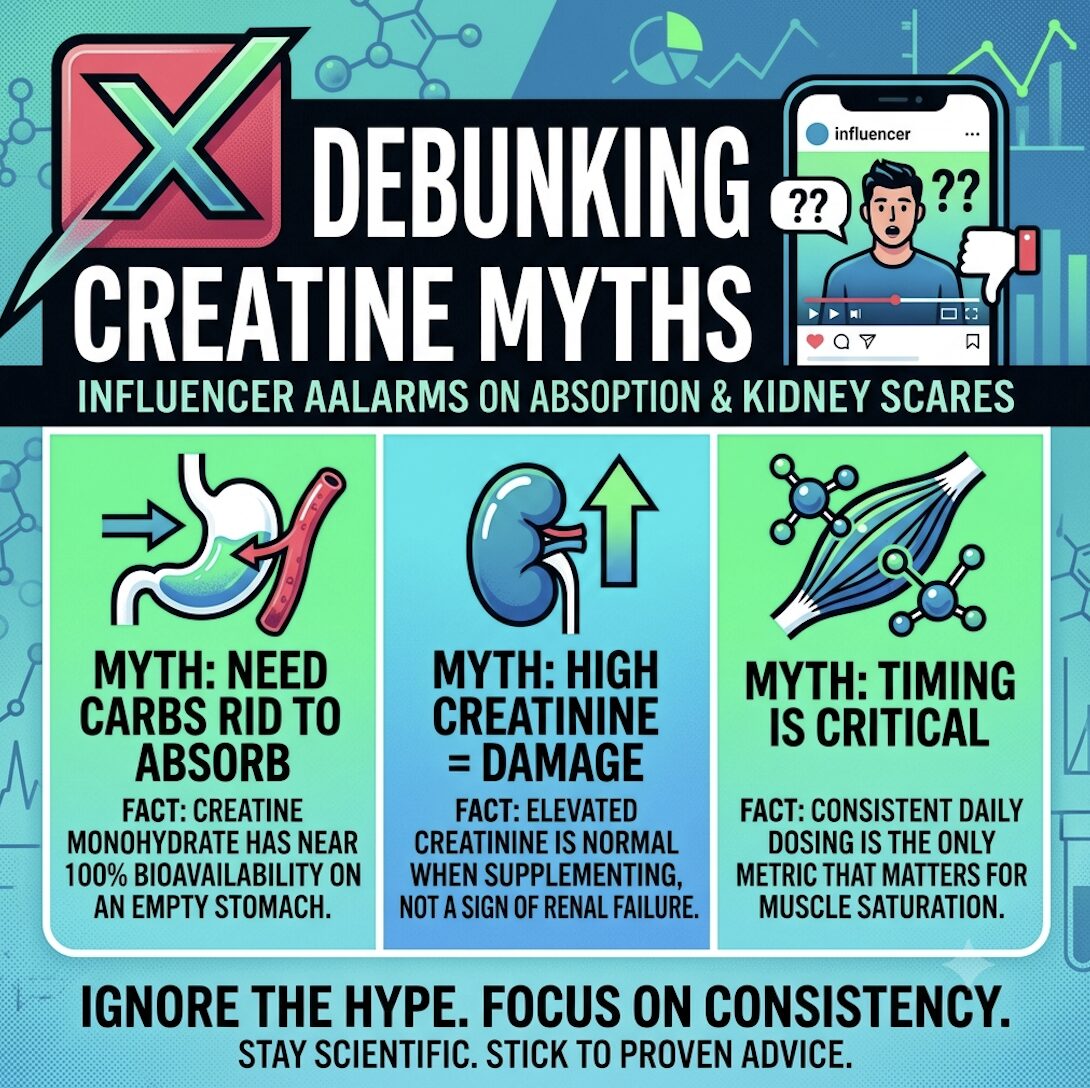
Influencers are currently pushing the narrative that taking creatine first thing in the morning on an empty stomach is useless because you will “just pee it all out” unless you load it with carbohydrates and sodium. This is another example of alarmist, unscientific content designed to drive engagement by inventing problems that do not exist.…
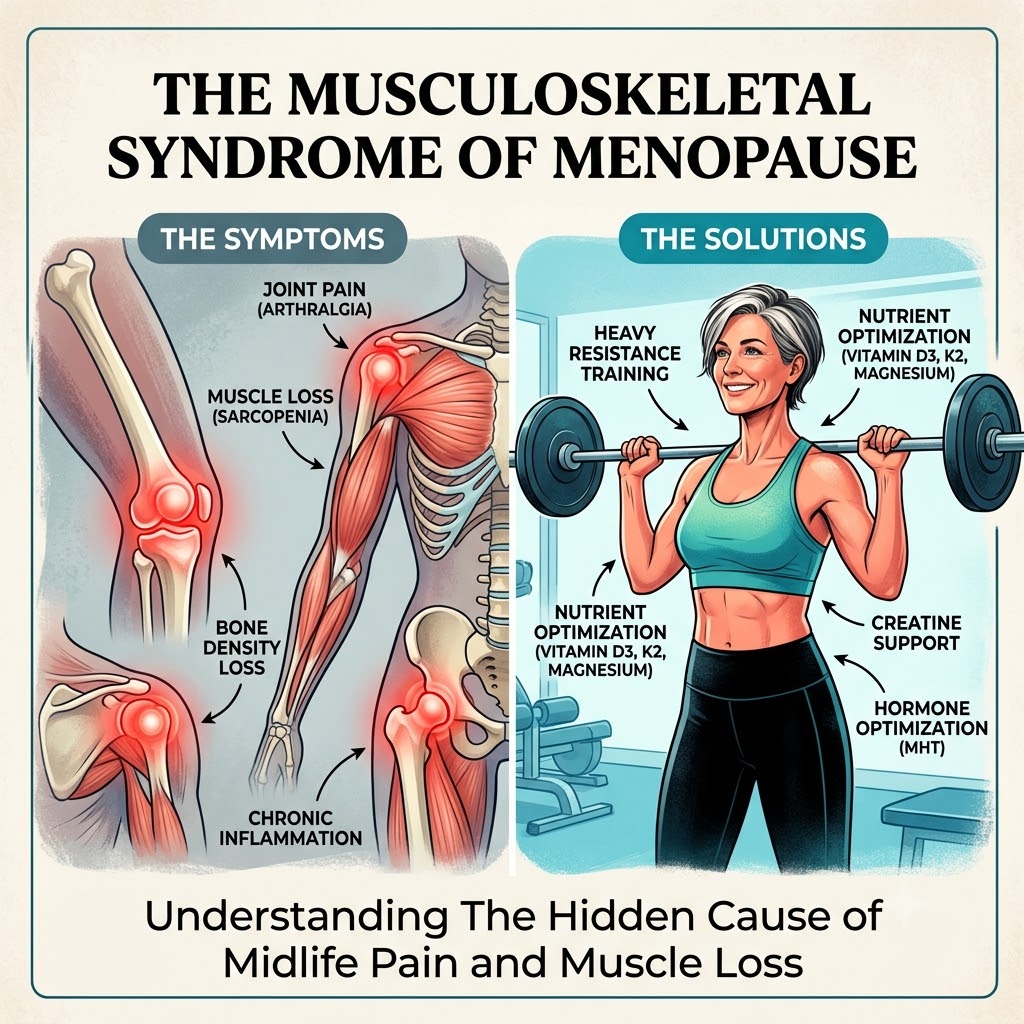
Is MSM The Hidden Cause of Midlife Pain and Muscle Loss? About 51% of the global population is born with ovaries. Every single year, an estimated 47 million women worldwide undergo the transition into menopause. While symptoms like hot flashes, night sweats, brain fog, and mood shifts get the majority of mainstream attention, there is…
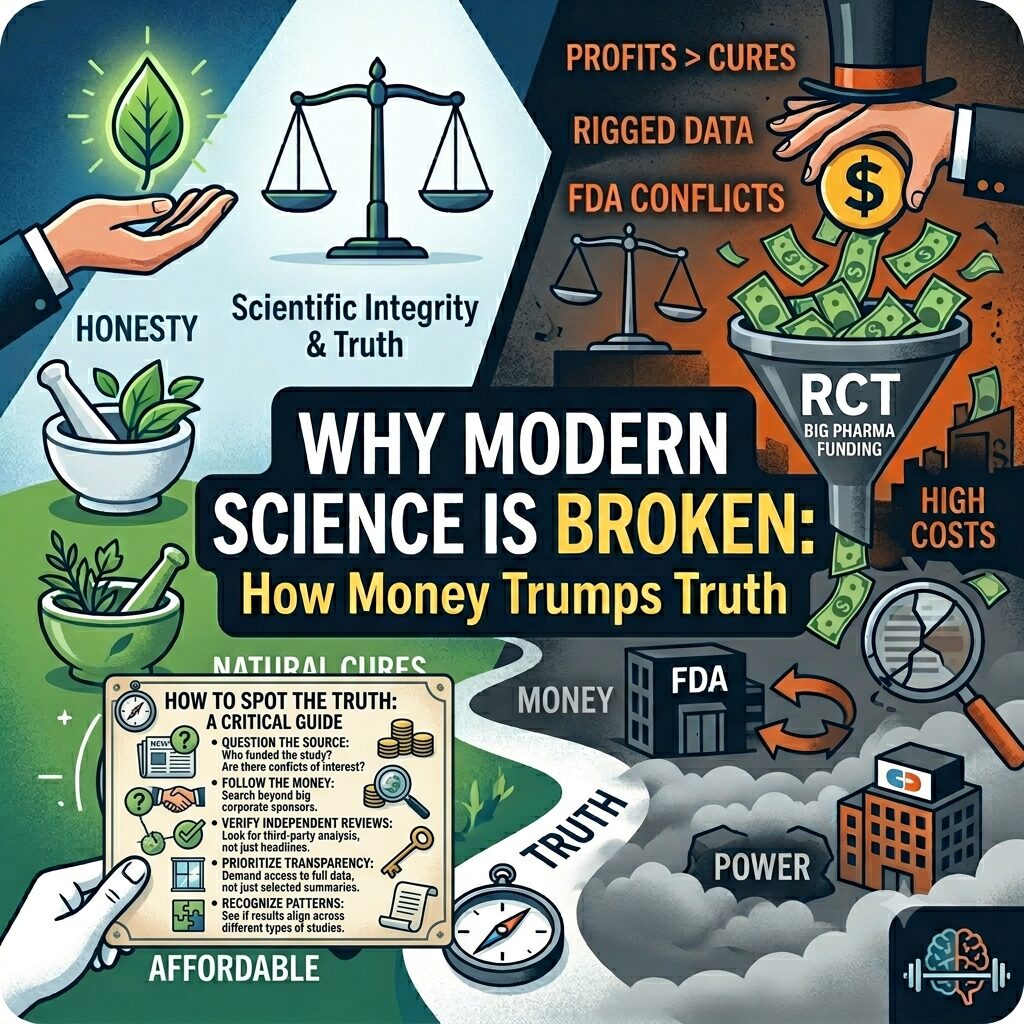
As a researcher in exercise, brain, nutrition, and health science since 1987, I have watched the scientific community change drastically. Decades ago, there were fewer studies, but the honesty and integrity of the research were much higher. Today, science is largely driven by money and funding rather than a quest for truth. While the number…
Latest Posts