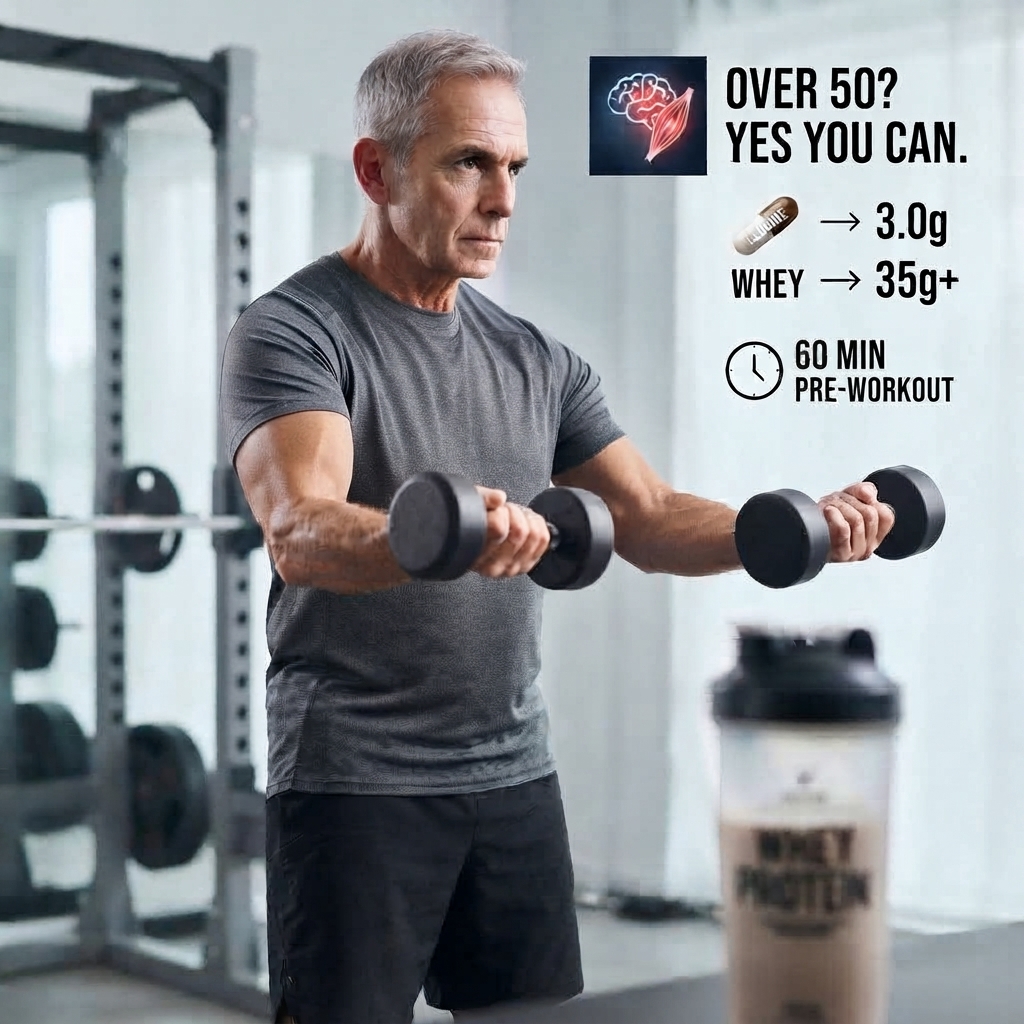
Aging does not mean muscle building has to stop. While older adults often experience anabolic resistance, where the threshold required to trigger muscle protein synthesis increases, this decline is driven by modifiable factors rather than an inevitable ceiling on your physical potential. By understanding how to adjust your nutritional timing and movement protocols, you can…
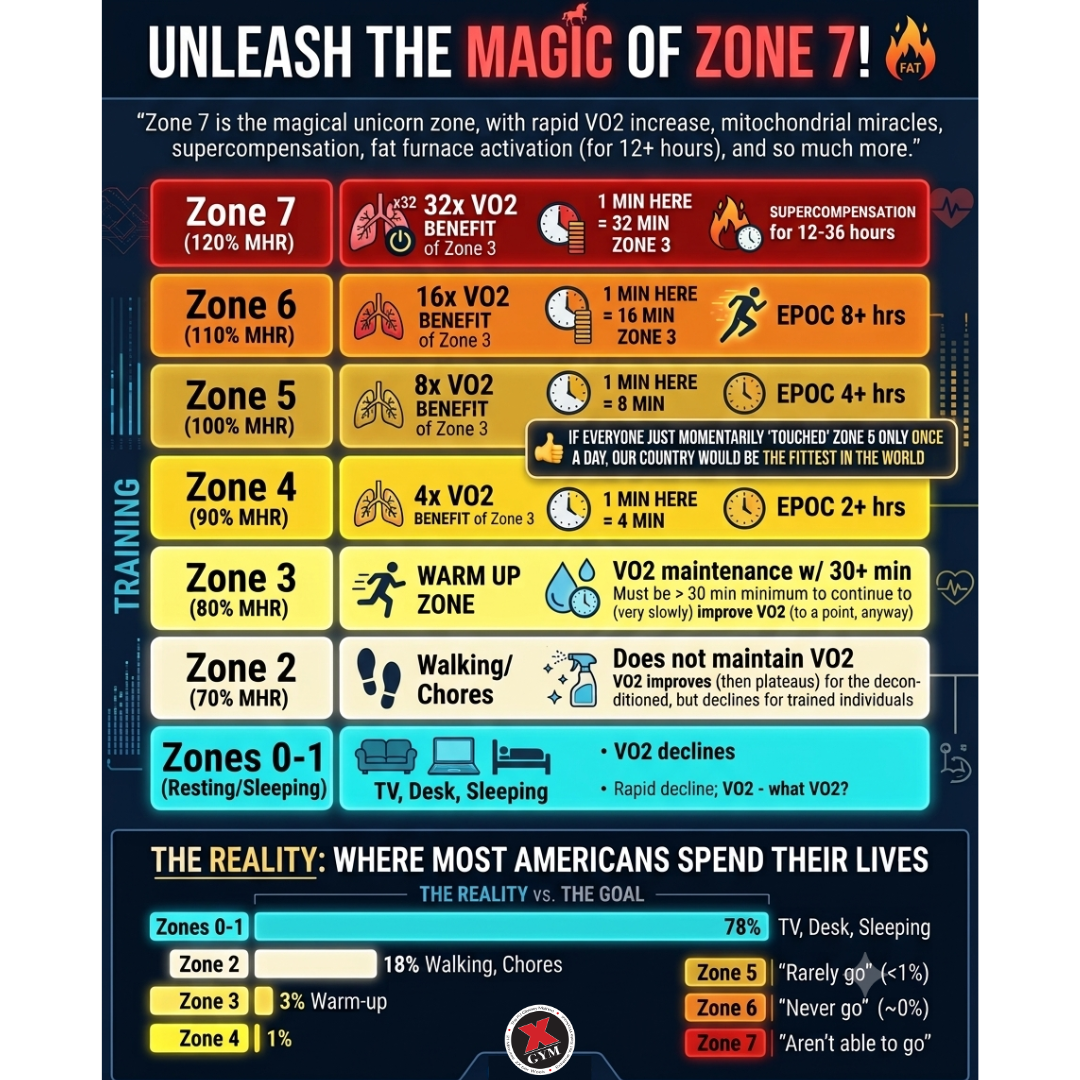
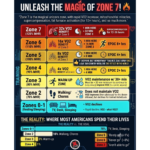
You might already be familiar with the 5-zone training system developed by Sally Edwards in 1992. It’s a great system, but it was built specifically for endurance athletes logging steady-state miles. For some reason, it was adopted by the mainstream for everyone, regardless of training style, and was even espoused by relatively knowledgeable authors and…
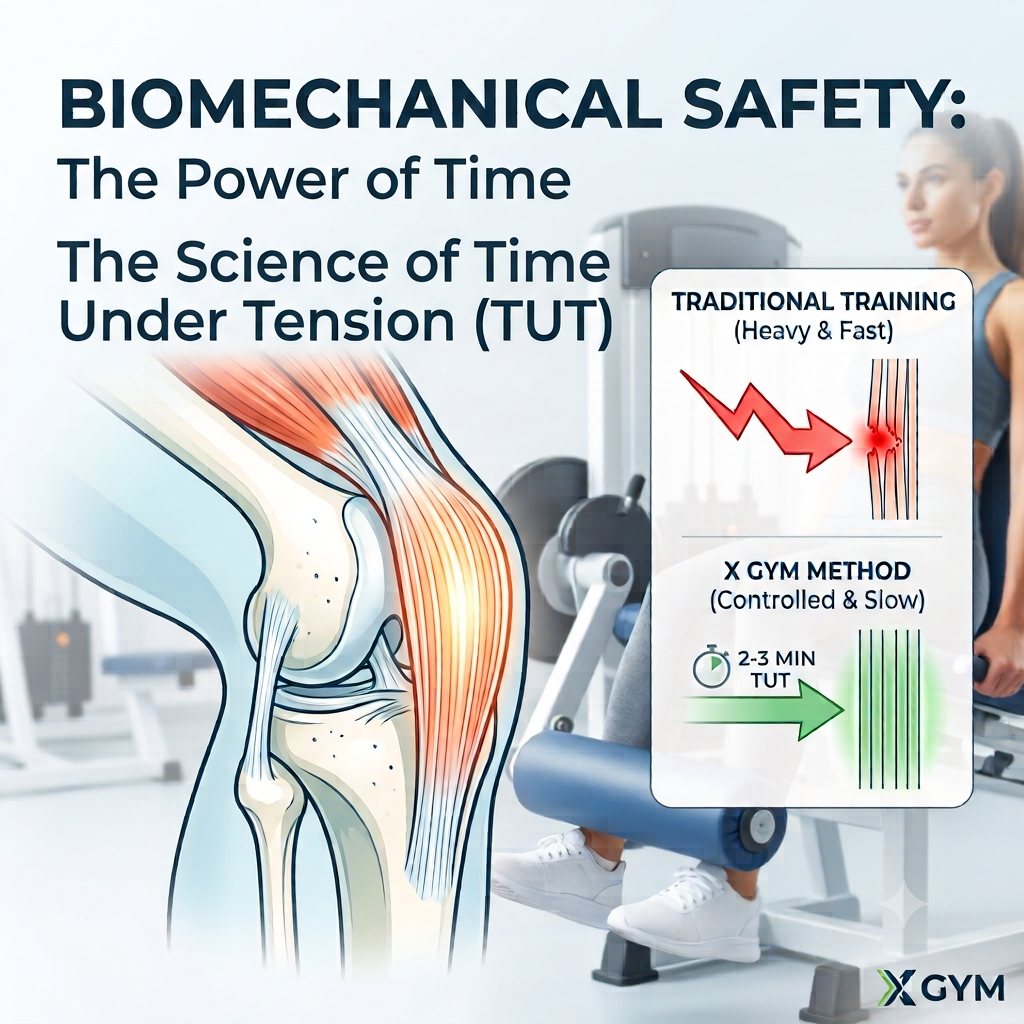
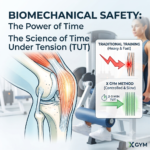
Biomechanical Safety: How Time Under Tension Protects and Strengthens the Entire Tendon Matrix It’s always fun to see our methods validated by scientific studies and other experts in the field. Dr Keith Baar has taken the internet by storm lately with his groundbreaking concepts on tendon safety and strengthening. We have been doing what Baar…
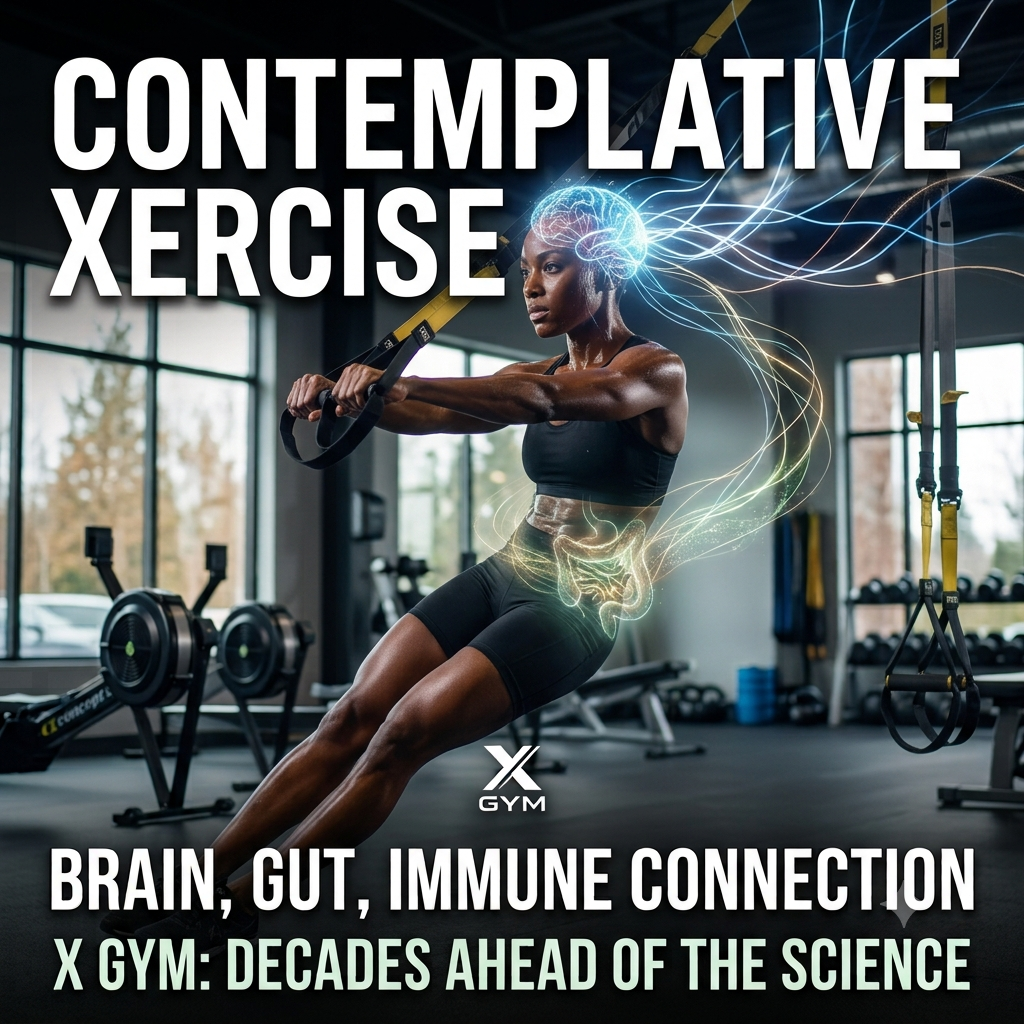
Mainstream science is finally catching up with us again. Recent discussions in neuroscience and biohacking have begun to highlight a concept called “contemplative aerobics”—the deliberate integration of physical exercise with mental awareness. Researchers like Dr. Richard J. Davidson are now publishing data confirming that physical training is not just about skeletal muscle; it is an…
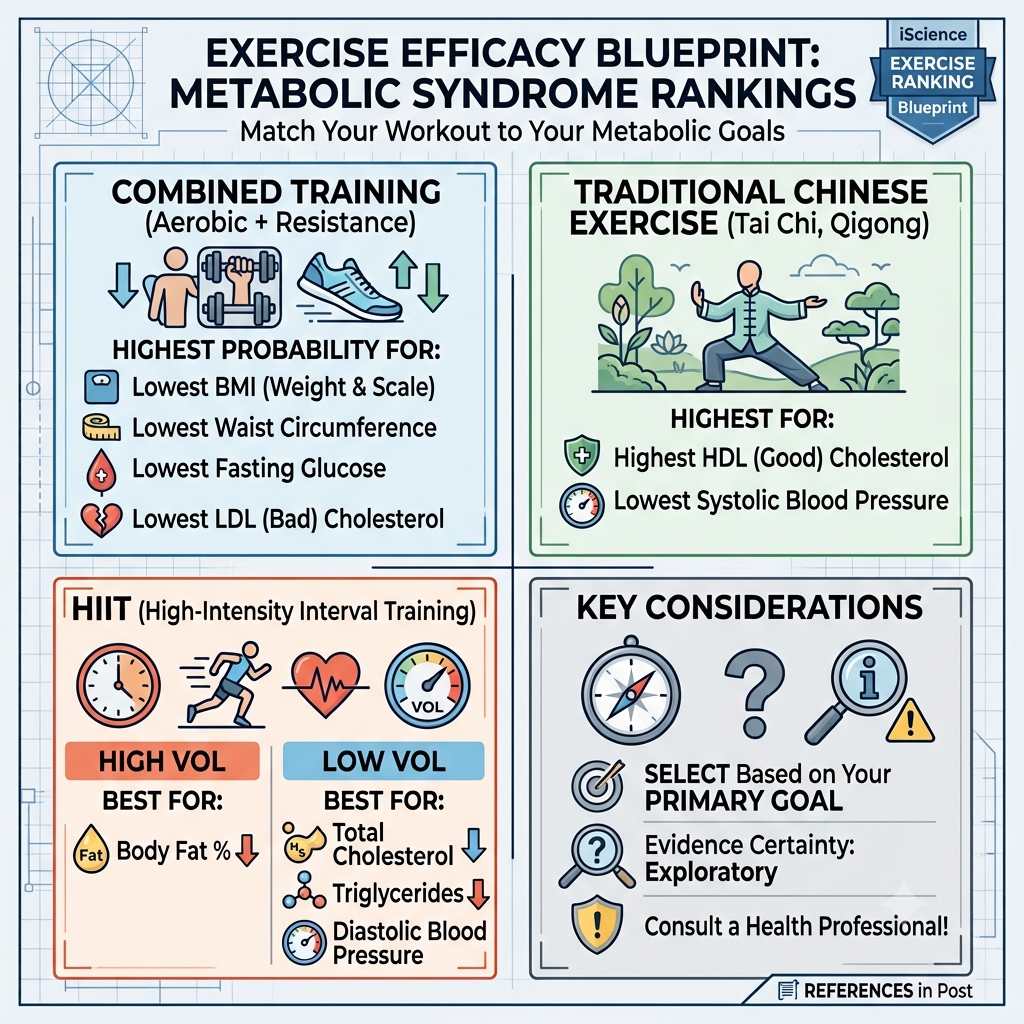
When engineering protocols to reduce biological age and optimize metabolic markers, the specific type of physical stimulus matters. A recent network meta-analysis published in iScience evaluated 53 randomized controlled trials involving nearly 3,000 participants to determine exactly which exercise modalities work best for specific metabolic conditions. The definitive takeaway is that no single routine rules…
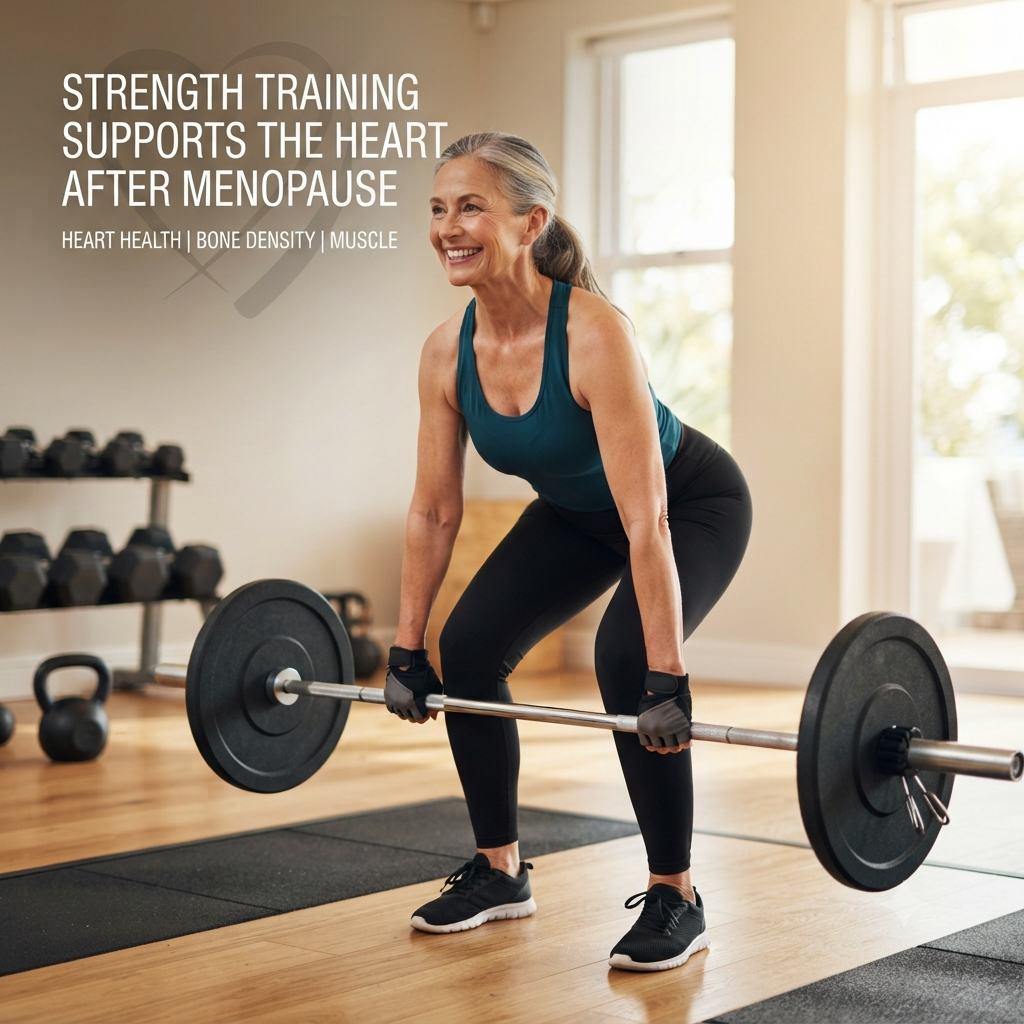
When it comes to exercise, we often divide our workouts into neat little categories. We lift weights to protect our muscles and bones, and we do cardio for our hearts. But recent science shows that this division is far too simple. A major review of 60 studies found that resistance training does much more than…
Latest Posts