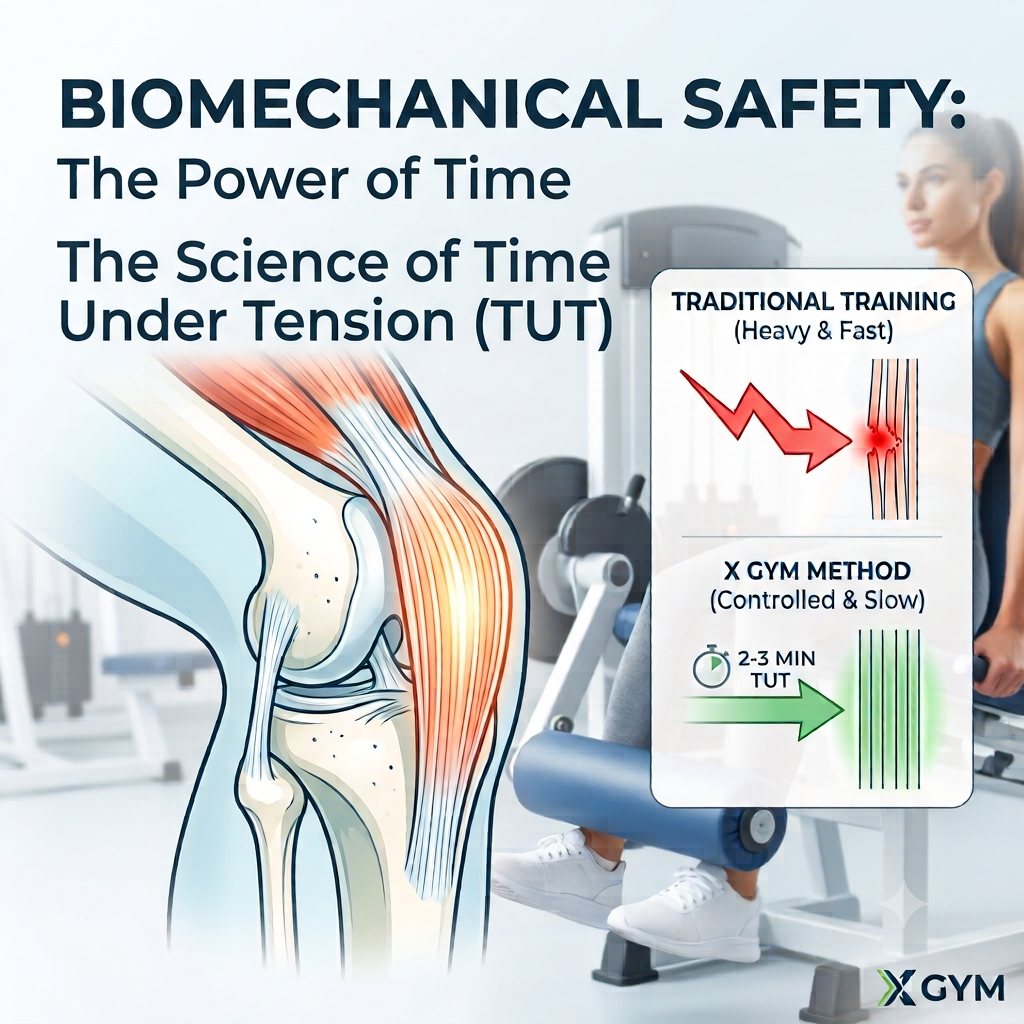
Biomechanical Safety: How Time Under Tension Protects and Strengthens the Entire Tendon Matrix It’s always fun to see our methods validated by scientific studies and other experts in the field. Dr Keith Baar has taken the internet by storm lately with his groundbreaking concepts on tendon safety and strengthening. We have been doing what Baar…
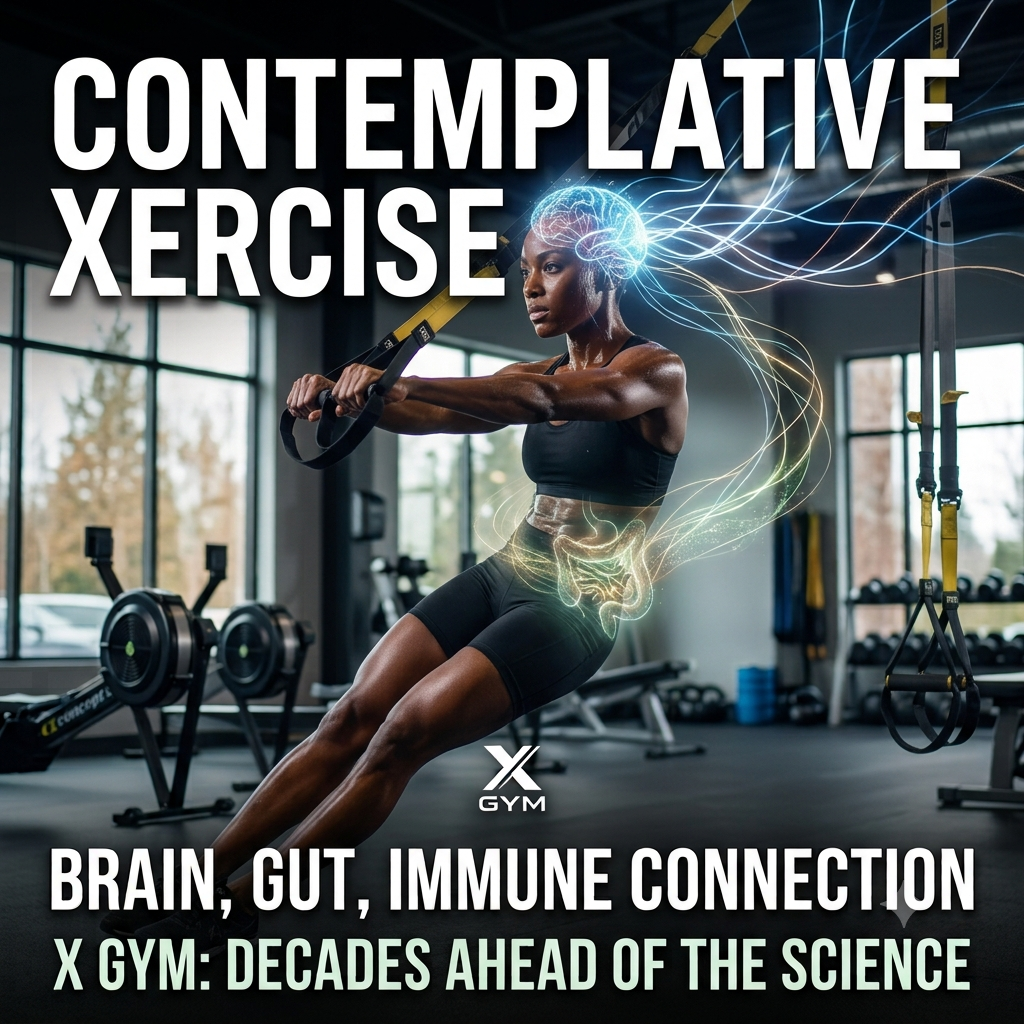
Mainstream science is finally catching up with us again. Recent discussions in neuroscience and biohacking have begun to highlight a concept called “contemplative aerobics”—the deliberate integration of physical exercise with mental awareness. Researchers like Dr. Richard J. Davidson are now publishing data confirming that physical training is not just about skeletal muscle; it is an…
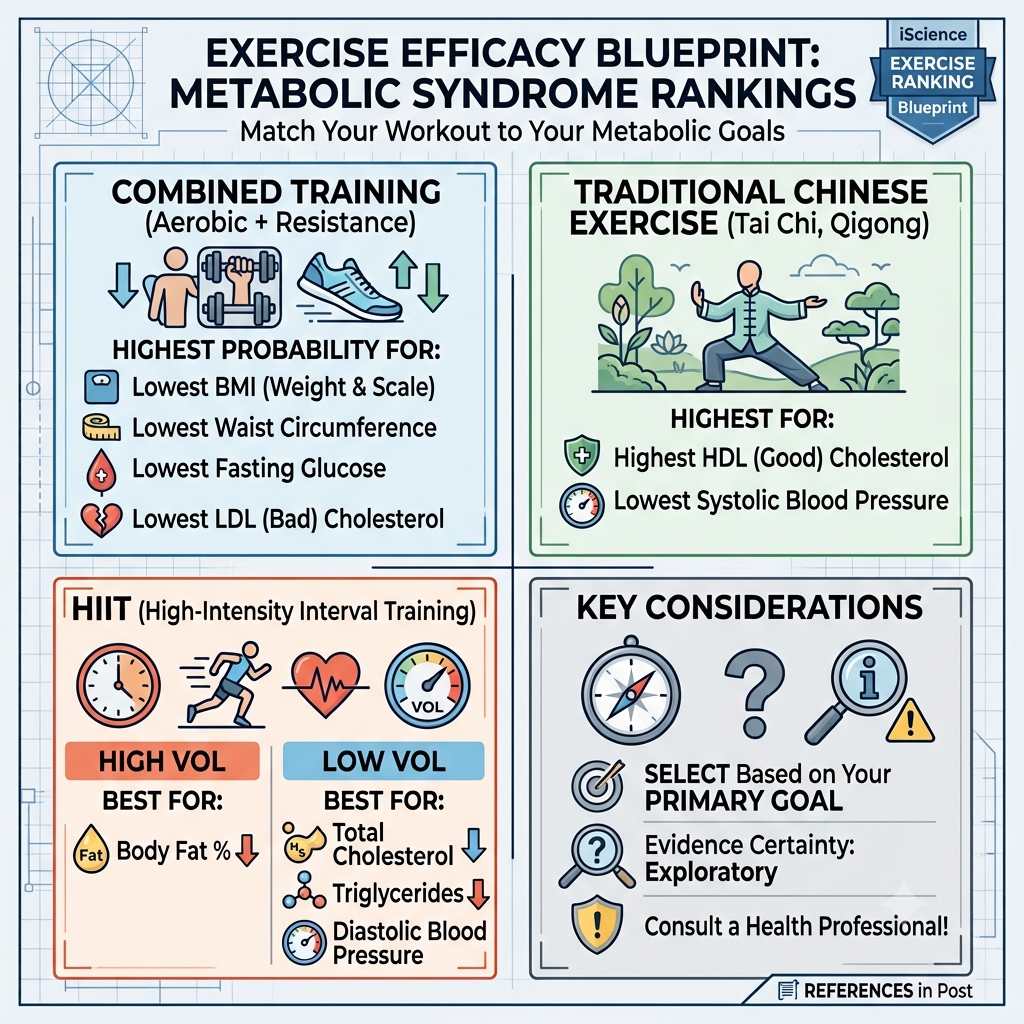
When engineering protocols to reduce biological age and optimize metabolic markers, the specific type of physical stimulus matters. A recent network meta-analysis published in iScience evaluated 53 randomized controlled trials involving nearly 3,000 participants to determine exactly which exercise modalities work best for specific metabolic conditions. The definitive takeaway is that no single routine rules…
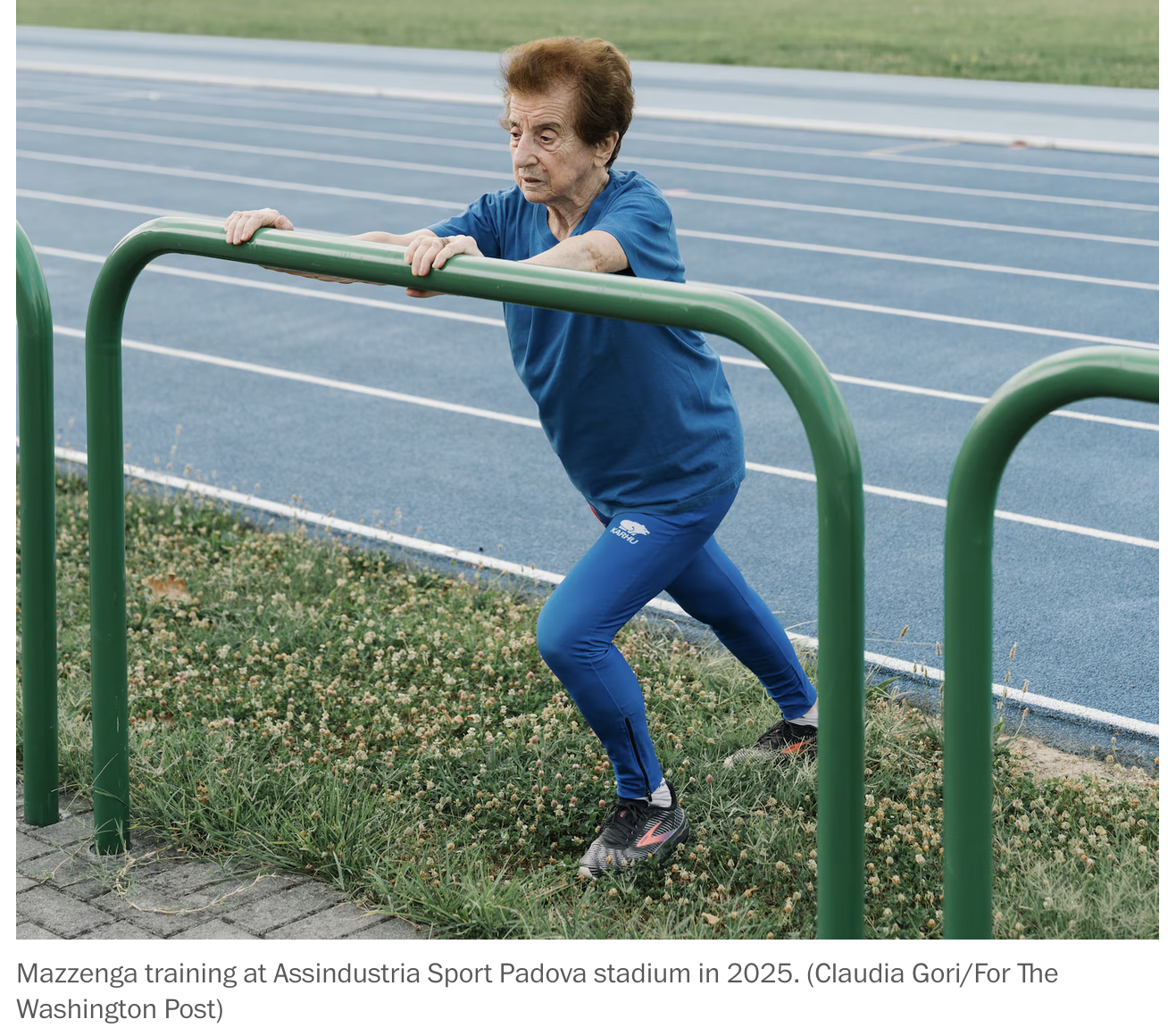
Mainstream fitness protocols have long championed prolonged, moderate-intensity aerobic exercise as the gold standard for aging. The cellular data, however, tells a radically different story. Consider Emma Maria Mazzenga. At almost 93 years old, she holds multiple age-group world records in sprinting. Laboratory analyses of her physiology reveal the mitochondrial function of a 20-year-old and…
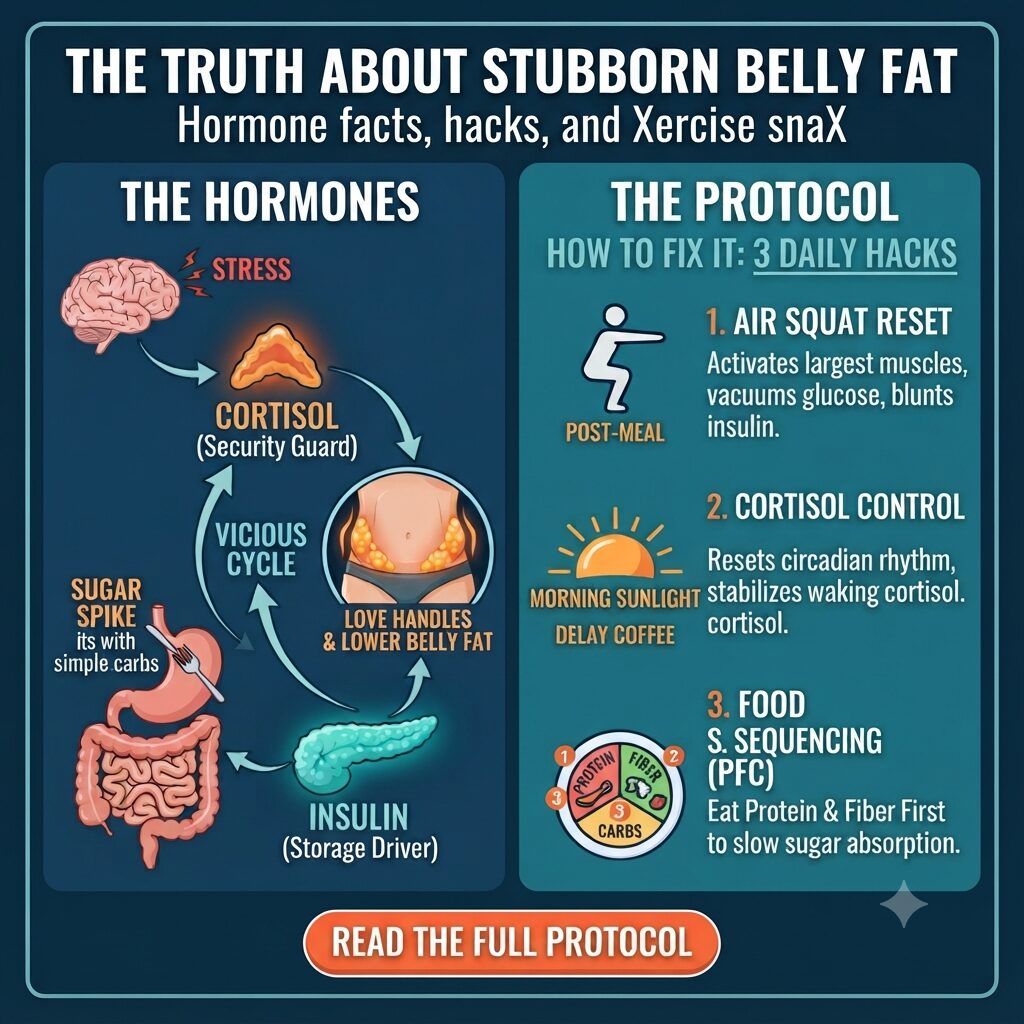
Stubborn love handles and lower belly fat are not always a reflection of poor discipline or a lack of physical effort, especially past the age of 50. Instead, they are often the outward physiological manifestation of a signaling loop driven by two distinct hormones: cortisol and insulin. Doing endless crunches or side planks will not…
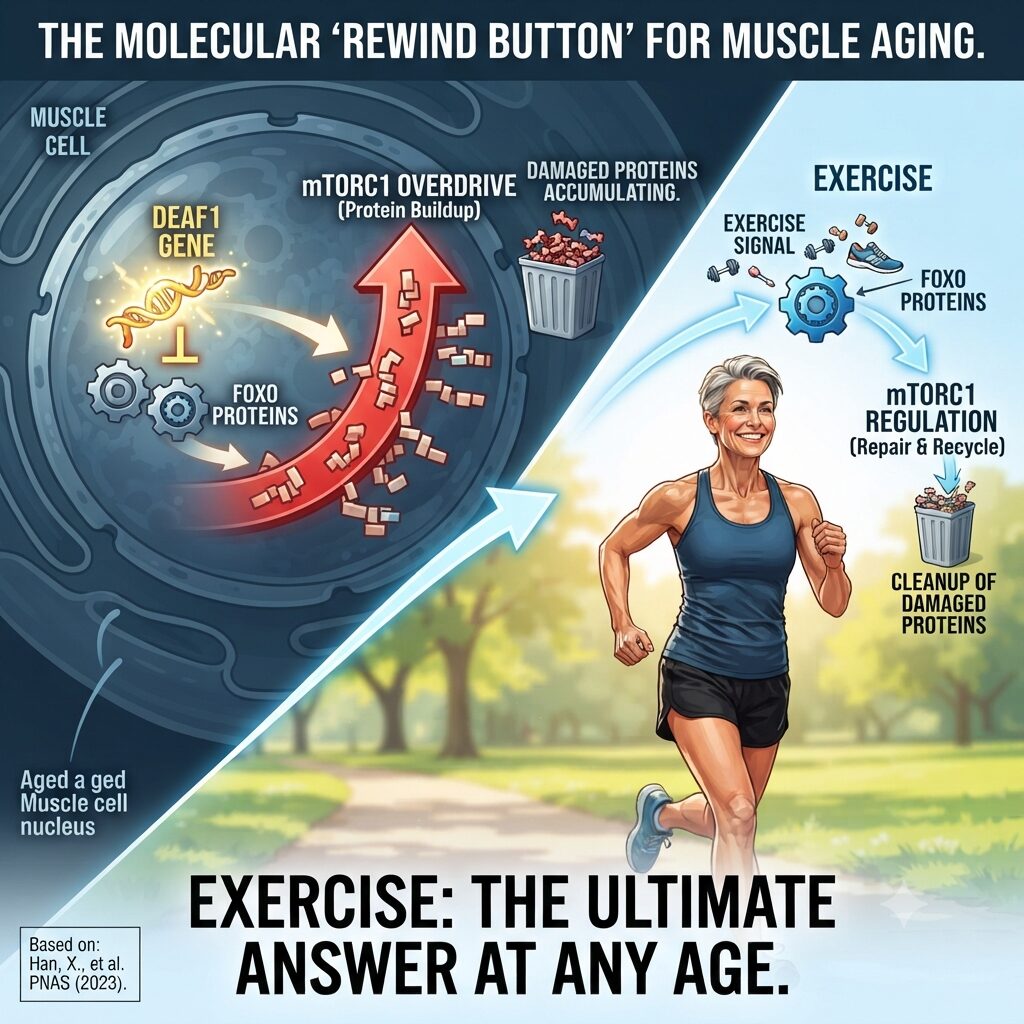
For years, we viewed the loss of muscle strength as an inevitable tax paid to time. As we cross into our 50s and beyond, the gradual decline in function—the slowing recovery from injury, the creeping weakness—has often been accepted as a fact of life. But a groundbreaking discovery from Duke-NUS Medical School has shifted this…
Latest Posts