Willpower is a limited resource. It runs out fast (but does grow with use), and requires an enormous amount of energy. This is why people can’t depend on it, and often avoid tapping into it because of the “effort” involved. There is a better way, though. Rewiring your brain to think like a healthy person and then finding it easier to act like a healthy person, with less reliance on willpower, is the answer.
To rewire your brain to act like a “healthy person,” you must transition from passive avoidance to active, neural-focused strategies. The following techniques integrate Cognitive Behavioral Therapy (CBT) and neuroplasticity research to bypass the brain’s threat centers and establish “strategic automaticity.”
1. Neural Substitution (The “Implementation Intention”)
Vague goals like “eat healthy” fail because they require constant willpower. Using “If-Then” planning (Implementation Intentions) creates a “synaptic bridge” that triggers a healthy behavior automatically when you encounter a specific cue.
-
The Technique: Identify a high-risk time or place and assign a specific approach action.
-
The Rewrite:
-
Instead of: “Stop eating sweets after dinner.”
-
Use: “If it is 7:30 PM and I am in the kitchen, then I will peel a fresh orange and sit at the table to enjoy it.”
-
Why it works: This bypasses the high-energy prefrontal cortex (the seat of willpower) and stores the action in the low-energy basal ganglia (the seat of habits). Your brain and your perception will find this much easier to do the first time, and also on repeat.
-
2. Cognitive Reframing: Moving from Threat to Challenge
Avoidance goals (e.g., “don’t be sedentary”) trigger the brain’s “Inhibition System,” which feels like a threat and increases cortisol. Approach goals trigger the “Reward System,” releasing dopamine that makes the behavior easier to repeat.
-
The Technique: Audit your self-talk. If you use words like “don’t,” “shouldn’t,” or “can’t,” you are in threat mode. These words are also called “negations” and usually work exactly opposite to how your language is coming out of your mouth. The reason is that the subconscious brain is in charge of us and governs most of our habits and patterns. The language of the subconscious brain is images and emotions vs words. If you say, “Don’t eat Oreos anymore,” your brain will form an image of an Oreo, think of how delicious it is, and make the craving worse. It didn’t understand the command; it only understood the image and emotion you sent to it.
-
The Rewrite:
-
Instead of: “I need to stop being so lazy.”
-
Use: “I am inviting more vitality and muscle tone into my day by taking the stairs.”
-
Why it works: As Kelly McGonigal notes, framing goals as a “challenge” rather than a “threat” changes your physiological response, improving cardiovascular efficiency and focus.
-
3. Identity-Based Habit Formation
Neuroplasticity is most effective when new behaviors are tethered to a self-concept rather than a result.
-
The Technique: Use the “Healthy Person” schema. Before any decision, perform a “Self-Check” asking: “What would a person who values their biological age do right now?”
-
The Rewrite:
-
Instead of: “I’m going to try to walk 10,000 steps today.”
-
Use: “I am a person who moves my body to maintain peak cellular function.”
-
Why it works: This shifts your neural “standard.” When your actions align with your identity, your brain experiences less cognitive dissonance, making the healthy choice feel “correct” rather than “effortful.”
-
4. Mental Rehearsal and “Future Memories”
The brain struggles to distinguish between a vivid imagination and a real event. You can “pre-wire” a healthy habit before you even do it.
-
The Technique: Spend 3 minutes visualizing the process of a healthy habit—not the outcome.
-
The Practice: Visualize yourself feeling an urge to snack, noticing it with curiosity, and then calmly reaching for a glass of water instead.
-
Why it works: This creates “future memories.” When the real-world situation occurs, your brain recognizes the pattern and activates the pre-rehearsed motor response.
5. Micro-Wins and “Long-Term Potentiation” (LTP)
Neural pathways are strengthened through repetition (LTP). Large, overwhelming goals cause the brain to “freeze.”
-
The Technique: Shrink the behavior until it is impossible to fail.
-
The Rewrite:
-
Instead of: “I’m going to start a 60-minute workout routine.”
-
Use: “I will do 2 minutes of high-intensity movement after I finish my first cup of coffee.”
-
Why it works: Consistency over intensity. Small wins provide frequent dopamine hits, which “glue” the new neural pathway together, eventually making the behavior feel like “autopilot.”
-
Advanced Brain Training
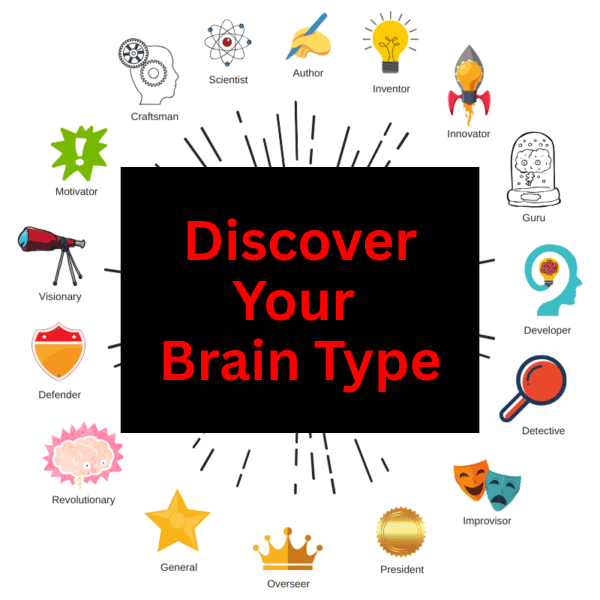
To find your own custom brain training techniques that will make the most sense to your brain type, and will end up being the least effort, take this brain type test (click here), and you will be assigned half a dozen brain training techniques, specifically selected for you!
References
Implementation Intentions: The Science of ‘If-Then’ Planning https://thriva.co/hub/behaviour-change/implementation-intentions
The Science of Setting Goals – Kelly McGonigal https://ideas.ted.com/the-science-of-setting-goals/
Neuroplasticity and Healthy Lifestyle: Understanding the Relationship https://pmc.ncbi.nlm.nih.gov/articles/PMC5662798/
Cognitive Behavioral Therapy for Habit Formation https://sweetinstitute.com/cognitive-behavioral-therapy-for-habit-formation-and-behavior-change-a-practical-model-for-sustainable-self-directed-growth/
Latest Posts