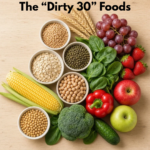
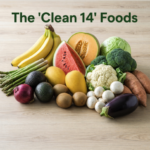
After putting together the Clean 14 (produce that is relatively low in conventional pesticides, low in glyphosate risk, and free of commercially available GMO versions), a natural question is whether the opposite exists. Is there a clear list of 30 foods that are GMO, high in pesticide residues, and high in glyphosate?
The short answer is no. The three categories don’t overlap as cleanly as many people assume.
Why a True Three-Factor Dirty 30 Doesn’t Exist
Some of the produce that tests highest for conventional pesticide residues are not GMO. Meanwhile, the foods that most consistently show elevated glyphosate residues are grains and legumes that are sprayed shortly before harvest as a drying agent. Many of those crops are not genetically modified. The GMO crops that are routinely sprayed with glyphosate are primarily commodity crops used in processed foods (yet another reason to avoid processed foods like the plague).
Foods That Come Closest
Here are the items that most consistently hit at least two of the three factors:
Strongest overlap (GMO + glyphosate-treated crops)
These are the clearest examples of crops that are both genetically modified and associated with glyphosate use:
- Conventional corn (field corn and some sweet corn)
- Conventional soybeans and soy products
- Conventional canola and canola oil
- Conventional sugar beets and beet sugar
- Conventional cottonseed oil
- Some conventional sweet corn
- Some conventional papaya (virus-resistant Hawaiian varieties)
- Some conventional potatoes (certain Innate varieties)
- Some conventional summer squash and zucchini
High glyphosate (mostly not GMO)
These foods are the most common sources of higher glyphosate residues, largely due to pre-harvest desiccation:
- Conventional oats and oat products
- Conventional wheat and wheat products
- Conventional barley
- Conventional lentils
- Conventional chickpeas
- Conventional dried beans
- Conventional dried peas
High conventional pesticide residues (almost none are GMO – yet…)
These are the produce items that most often appear on high-residue lists. Nearly all of them are non-GMO (as of 2026):
- Spinach
- Kale, collard greens, and mustard greens
- Strawberries
- Grapes
- Nectarines
- Peaches
- Cherries
- Apples
- Blackberries
- Pears
- Blueberries
- Green beans
- Bell and hot peppers
Practical Takeaways
If the goal is to reduce exposure, the highest-impact steps remain straightforward:
- Prioritize organic versions of high-residue produce when possible.
- Choose organic or certified glyphosate-residue-free versions of oats, wheat products, and legumes.
- Stop eating highly processed foods!
Latest Posts