The Mechanical Shield: How Vigorous Exercise Triggers Apoptosis in Circulating Tumor Cells
As a functional medicine researcher and inventor of X Gym’s high-intensity training system, I have spent decades analyzing how we can optimize the human machine to resist the diseases of aging. While many focus on the metabolic or hormonal benefits of exercise, there is a profound mechanical reality occurring in your vasculature during high-intensity movement that acts as a frontline defense against cancer recurrence and metastasis.
The secret lies in fluid shear stress and the inherent instability of Circulating Tumor Cells (CTCs).
The CTC Paradox: Primed for Death
Cancer cells are often viewed as indestructible, but on a molecular level, they are remarkably fragile. Most CTCs—cells that have broken away from a primary tumor to travel through the blood or lymph—exist in a state of precarious balance. They are heavily “primed to die,” loaded with pro-death signals. To survive, they must overexpress anti-apoptotic proteins to keep the “kill switch” from flipping.
Traditional therapies like chemotherapy and radiation work by delivering a massive death signal that overwhelms this balance. The challenge, as any clinician knows, is the collateral damage to healthy cells and the inability to detect single, residual cells that hide in the liver or bone marrow for decades before seeding a recurrence.
Shear Stress: The Mechanical Death Signal
When you engage in vigorous physical activity, your heart rate and stroke volume increase, significantly raising the frictional force of blood against the vessel walls and any cells within the flow. This is known as shear stress.
Unlike healthy white or red blood cells, CTCs are highly mechanosensitive. They possess surface mechanosensors that translate physical friction into biochemical signals. Research indicates that the shear stress generated during high-intensity movement acts as a negative mechanical stressor, tipping the scales toward apoptosis (programmed cell death) specifically in these vulnerable tumor cells.
The Efficiency of Intensity: 4-to-1 Ratio
In the realm of longevity and anti-aging, time is our most precious resource. Data shows a distinct hierarchy in how exercise intensity influences cancer mortality:
-
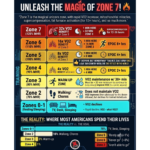
The Efficiency Gap: Approximately 3.5 to 4 minutes of moderate-intensity activity are required to match the health outcomes of just 1 minute of vigorous activity. And for light intensity like walking, ot takes 10 minutes or more to equal just 1 minute of HIT! Low and moderate intensity doesn’t cause significant shear stress. High intensity does, and that is the whole key.
-
Vigorous Association: Studies consistently show that vigorous-intensity physical activity is more strongly associated with reductions in cancer-related mortality and a lower risk of recurrence than lower intensities, due to differences in shear stress, but also to additional factors.
By pushing the body into a high-intensity state, you aren’t just burning calories; you are cleaning the “pipes” of potential metastatic seeds.
Clinical Implications for Recurrence
The primary clinical challenge in oncology is the “dormant” cell—the single cell that escaped before surgery or during treatment. Because current diagnostics do not allow for single-cell analysis across every organ, these cells can linger for 20 to 40 years.
However, observational data reveal that individuals with detectable CTCs who maintain high levels of physical activity are significantly less likely to experience metastasis. This suggests that the shear stress produced by regular, intense movement acts as a “mechanical scrub,” destroying these cells before they can find a new home and colonize.
For those of us focused on functional training and biological age reduction, the message is clear: intensity matters. While moderate walking has its place, it does not produce the fluid dynamics necessary to trigger the mechanosensitive death pathways in CTCs. High-intensity functional training—specifically methods that maximize vascular load in short bursts, such as the X Gym style—provides a non-pharmacological layer of protection against the progression of cancer.
References
-
Shear Stress and CTC Apoptosis: Fan, R., et al. (2016). Physical forces in the bloodstream: The role of shear stress in cancer metastasis. Cancer Letters. https://doi.org/10.1016/j.canlet.2016.05.011
-
Exercise Intensity and Cancer Mortality: Wang, Y., et al. (2022). Association of Physical Activity Intensity With Cancer Mortality: A Systematic Review and Meta-analysis. JAMA Oncology. https://jamanetwork.com/journals/jamaoncology/fullarticle/2794503
-
Vigorous vs. Moderate Activity Ratios: Lee, I-M., & Paffenbarger, R. S. (2000). Associations of light, moderate, and vigorous intensity physical activity with longevity. American Journal of Epidemiology. https://academic.oup.com/aje/article/151/3/293/54823
-
Mechanosensitivity of Tumor Cells: Regmi, S., et al. (2017). Fluid shear stress promotes the dedifferentiation of cancer cells. BMC Cancer. https://bmccancer.biomedcentral.com/articles/10.1186/s12885-017-3162-3
Latest Posts