The pursuit of a longer, healthier life often leads through a maze of conflicting dietary advice. Some protocols eliminate carbohydrates, others restrict sodium or fat, and entire movements form around strict dietary exclusions. However, when examining how healthy aging is reflected in our biology—specifically through DNA methylation markers like GrimAge, PhenoAge, and DunedinPACE—a clearer picture emerges.
Recent research evaluating ten major dietary patterns reveals that healthy aging depends far less on rigid exclusions and far more on the biological factors these diets share. Notably, the Dietary Approaches to Stop Hypertension (DASH) and Nordic diets consistently outperform others across multiple epigenetic aging clocks. Rather than searching for a single restrictive menu, we should examine how whole-food matrices communicate directly with our aging biology.
There is a lot to say about anti-aging nutrition and supplementation. It could be a whole book, but busy people frequent the X Gym and these blog posts, so this post highlights the most important points to get you started!
The Core Nutritional Framework
Overall Dietary Pattern and Macronutrients
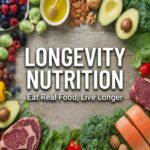
An effective longevity strategy prioritizes overall food quality, fermentable fibers, and rich polyphenol diversity. By following a low-carbohydrate, high-fat (LCHF) nutritional strategy combined with 16-hour time-restricted feeding, you maintain metabolic flexibility while ensuring a daily protein intake exceeding 120 grams to support functional tissue preservation. Choose organic and wild/free-range foods whenever possible. Basically, we should eat as we did 200 years ago, when most people ate REAL food, and no processed food.
Whole Food Implementations
-
Oily Fish: Provides essential omega-3 fatty acids, specifically EPA and DHA, supporting anti-inflammatory and cellular signaling pathways.
-
Broccoli Sprouts: Grown at home for daily consumption to deliver concentrated sulforaphane and targeted cellular protection.
-
Fermented Foods: Incorporate regular servings of 38-hour Lactobacillus reuteri yogurt, traditional kimchi, and authentic kefir to actively expand microbial diversity and reinforce mucosal barrier integrity.
Detailed Cellular Mechanisms and Nutritional Integration
Polyphenols (Anthocyanins, Quercetin, and Flavanols)
-
Mechanism: Compounds such as anthocyanins from dark berries, quercetin from apples and onions, and flavanols from tea and cocoa act as biological signaling agents rather than mere antioxidants. They cross cellular boundaries to activate NRF2, a master transcription factor that translocates to the nucleus and upregulates cytoprotective genes responsible for endogenous antioxidant synthesis, including glutathione and phase II detoxification enzymes.
-
Implementation: Consume dark berries daily, include allium and pomaceous vegetables, and leverage food-derived polyphenols to sustain robust cellular stress-response capacity. The more colors in your vegetable choices, the better.
Microbiome and Fiber (Short-Chain Fatty Acids, Butyrate, and Fermented Foods)
-
Mechanism: Indigestible fermentable fibers like artichokes, chicory root, garlic, onions, leeks, shallots, asparagus, flaxseeds, chia seeds, and psyllium husk, and dandelion greens serve as substrates for commensal gut microbes. Bacterial fermentation yields short-chain fatty acids, prominently butyrate, which serves as the primary energy substrate for colonocytes, fortifies the tight junction integrity of the intestinal epithelial barrier, and inhibits histone deacetylases to systematically suppress chronic, low-grade systemic inflammation.
-
Kimchi and Kefir Integration: Kimchi supplies diverse lactic acid bacteria alongside fermentable cabbage and allium fibers, while kefir introduces a robust consortium of probiotic bacteria and yeasts. Both fermented foods actively expand microbial diversity, enhance mucosal immune regulation, and amplify short-chain fatty acid production to reinforce gut barrier integrity.
-
Implementation: Prioritize diverse plant fibers, prebiotic fibers (such as Jerusalem artichoke inulin), and regular servings of kimchi, kefir, and Lactobacillus reuteri yogurt to continuously nourish a resilient microbiome.
Mitochondrial Maintenance (Urolithin A and Mitophagy)
-
Mechanism: Specific gut microbes biotransform ellagitannin compounds derived from pomegranates, walnuts, and berries into urolithin A. Urolithin A triggers mitophagy, the selective autophagic degradation and recycling of dysfunctional, ROS-leaking mitochondria. Maintaining this quality-control loop prevents cellular energy deficits and halts aging-associated mitochondrial senescence.
-
Implementation: Integrate ellagitannin-rich foods (like berries, pomegranates, walnuts, and pecans) or direct precursors alongside polyphenol sources (like cacao, extra-virgin olive oil, many spices and herbs, green tea, and colorful vegetables mentioned above) to stimulate continuous mitochondrial turnover and renewal.
Protein and Muscle Function (Essential Amino Acids, Leucine, and mTORC1)
-
Mechanism: High-quality protein sources (fish, eggs, yogurt, kefir, legumes, and lean meats) deliver essential amino acids, particularly leucine. Leucine acts as a potent biochemical trigger that binds to and activates mTORC1, the master nutrient-sensing complex that drives muscle protein synthesis. While excessive, constant mTOR signaling can suppress basal autophagy, periodic high-leucine bolus activation paired with mechanical tension creates the necessary anabolic stimulus to preserve functional skeletal muscle mass, bone density, and metabolic sink capacity as we age.
-
Implementation: Pair 120+ grams of daily high-quality protein with high-intensity resistance training protocols to balance structural tissue maintenance with metabolic resilience. A leucine supplement could help, especially for those over 50.
Targeted Advanced Anti-Aging Supplementation Protocol
-
Cellular Energy and Sirtuin Activation (NAD+ Precursors and Trans-Resveratrol): Nicotinamide mononucleotide (NMN) or nicotinamide riboside (NR) serve as direct precursors to NAD+, restoring coenzyme pools required for cellular energy, DNA repair, and sirtuin activation. Trans-resveratrol acts synergistically as a direct SIRT1 activator, mimicking caloric restriction pathways to bolster stress defense and metabolic health.
-
Autophagy and Cellular Renewal (Spermidine): A natural polyamine that induces systemic autophagy, accelerating the clearance of damaged proteins and senescent structures to support cardiovascular health and neuroprotection.
-
Mitochondrial Biogenesis and Function (CoQ10 + PQQ alongside Urolithin A): Coenzyme Q10 supports electron transport chain efficiency, while Pyrroloquinoline Quinone (PQQ) stimulates the formation of new, healthy mitochondria (biogenesis), coupling seamlessly with urolithin A-driven mitophagy.
-
Senescent Cell Clearance (Fisetin): A naturally occurring flavonoid that acts as a targeted senolytic, helping clear persistent senescent cells that secrete pro-inflammatory senescence-associated secretory phenotype (SASP) factors.
-
Structural and Metabolic Adjuncts: Hydrolyzed collagen peptides with added probiotics for connective tissue integrity (take with vitamin C), along with targeted compounds like Dimethylglycine (DMG) and glycine when dining out to buffer non-organic metabolic loads.
-
Hydration Environment: Maintain a daily intake of 80 to 120 ounces of purified water utilizing reverse osmosis or “Zero” brand water filtration systems, integrated with molecular hydrogen water to maximize metabolic and cellular resilience.
Sample One-Day Longevity Menu
Morning Routine & Hydration
-
Hydration Window: 16 to 32 ounces of purified water utilizing reverse osmosis or “Zero” brand water filtration systems. 8 of these ounces could be molecular hydrogen water from an Echo hydrogen water bottle for an extra hack/boost.
-
Supplement Stack (Morning): NAD+ precursor (NMN/NR), Trans-Resveratrol, CoQ10, PQQ, and Urolithin A supplement/ellagitannin extract.
Meal One (First Feeding Window)
-
Time-Restricted Feeding Break (Post-Workout or Midday):
-
Protein Foundation: Three pasture-raised whole eggs, scrambled or gently cooked, with wild-caught Alaskan salmon or sardines to supply EPA, DHA, and high-quality essential amino acids rich in leucine.
-
Microbiome & Fermented Foods Matrix: A generous serving of traditional kimchi and a heaping spoonful of homemade 36-hour Lactobacillus reuteri yogurt layered with wild dark berries (blueberries or blackberries) for anthocyanins.
-
Cellular Protection & Fiber: A fresh handful of home-grown broccoli sprouts and steamed leafy greens drizzled with extra virgin olive oil.
-
Supplement Adjunct: Spermidine and hydrolyzed collagen peptides mixed into a beverage or incorporated into the meal.
-
Afternoon Support & Hydration
-
Hydration: Continued intake of purified water (targeting 80 to 120 ounces total across the day).
-
Targeted Snack (If needed within feeding window): Authentic kefir or a small serving of sprouted lentils/legumes seasoned with polyphenol-rich spices, or a targeted dose of Fisetin depending on the cyclical protocol schedule.
Meal Two (Evening Feeding Window)
-
Protein & Healthy Fats: Grass-fed beef, pasture-raised poultry, or wild-caught fish, providing a robust amino acid profile to support tissue maintenance and metabolic resilience.
-
Fiber & Plant Matrix: Steamed or lightly roasted cruciferous vegetables (such as broccoli or Brussels sprouts) and alliums (onions and garlic) tossed with unrefined apple cider vinegar or extra virgin olive oil to support short-chain fatty acid production.
-
Fermented Component: A small side of traditional kefir or fermented vegetables to maintain continuous microbial diversity into the evening hours.
Evening Routine
-
Hydration & Wind-Down: Final purified water intake completed well before sleep to optimize Oura Ring-tracked sleep architecture (targeting deep and REM sleep targets).
-
Optional Dining-Out Safeguard: If dining out or consuming non-organic ingredients earlier in the day, targeted DMG and glycine are utilized to buffer metabolic loads.
What About Exercise?
This post is about nutrition and supplements. This site has plenty of posts on exercise and anti-aging, so be sure to check those out, too. It’s really easy – just enter a topic in the search bar at the bottom of the home page!
References
-
FoundMyFitness Research Deep Dive: What Do Longevity Diets Have in Common? (https://www.foundmyfitness.com)
-
FoundMyFitness Podcast Episode #112: Dr. Steve Horvath on Biological Aging Clocks (https://www.foundmyfitness.com)
-
Baar, K. (2016). Mechanotransduction and Collagen Synthesis in Tendons and Ligaments. Exercise and Sport Sciences Reviews.
-
Horvath, S. (2013). DNA methylation age of human tissues and cell types. Genome Biology.
-
Nrf2-Mediated Antioxidant Response Pathways in Cellular Longevity and Stress Defense. Molecular and Cellular Biology.
-
Gut Microbiome-Derived Urolithin A and Mitochondrial Quality Control in Aging. Cell Metabolism.
-
Dietary Fiber, Short-Chain Fatty Acids, and Intestinal Barrier Homeostasis. Annual Review of Nutrition.
Latest Posts