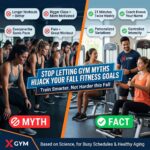
Stop Letting Gym Myths Hijack Your Fall Fitness Goals
Group gym training can feel extra tempting when school starts, schedules settle, and it feels like the right time to get back on track. Classes seem social, fun, and structured, so it feels easier to commit. The problem is, a lot of common gym myths sneak into those classes and quietly limit your results.
These myths can leave you stuck on plateaus, chasing soreness instead of strength, or pushing through pain that your joints will feel later. When your goal is to get stronger, stay lean, and age well, bad advice is more than annoying; it slows your progress. Our approach focuses on short, intense sessions, based on science, so you can train smarter instead of just harder.
In this post, we will break down some of the biggest myths we still hear from people doing group gym training in Bellevue. You will see how small shifts in how you work out can help you get better results in less time, and with less wear and tear on your body.
Myth: Group Gym Training Must Be Long to Be Effective
One of the most common beliefs is that you need to grind through 60- to 90-minute classes several days a week to see real changes. Long sessions feel serious. You block off a big chunk of time, sweat a lot, and think more minutes must mean more progress.
The truth is, your body responds more to how you work, not just how long you are in the room. When you train with higher intensity, slow, controlled tempo, and very little wasted rest, your muscles reach fatigue faster. That fatigue is what triggers strength and body composition changes, not the clock.
Short, high-intensity strength sessions can:
- Recruit more muscle fibers in less time
- Push your heart rate up in controlled bursts
- Reduce wasted time between exercises
- Leave more time and energy for recovery
This is why a focused 21-minute strength session, done twice per week with proper form and effort, can be more effective than wandering through long classes several times a week. For people with busy fall schedules, kids in activities, and shorter daylight hours, this kind of efficiency makes it much easier to stay consistent.
Healthy aging also benefits from this approach. Controlled intensity helps preserve muscle, support metabolism, and protect joints without pounding your body with marathon workouts that leave you wiped out for days.
Myth: More People in Class Means Better Motivation
Many people assume the bigger the class, the better the motivation. Loud music, full rooms, and crowded schedules can seem like the cure for low energy. It feels like being in a packed room should push you to work harder.
In reality, large group gym training often makes it easier to hide. You can stand in the back, zone out, and go through the motions while the coach tries to keep an eye on dozens of people. When no one really knows your goals or your limits, it is simple to coast.
Big classes can lead to:
- Less attention on your technique
- Little or no tracking of your progress
- Easy excuses to skip or leave early
- A focus on keeping up, not improving safely
Smaller, appointment-based sessions create a different kind of pressure. Your coach knows your name, your history, and where you tend to hold back. There is less room to disappear and more support to show up even when life gets hectic.
As fall fills up with school events, meetings, and dark early evenings, that focused accountability often beats the short burst of energy you get from a crowded room. You are not just one person in a sea of bodies. You are someone whose plan actually matters.
Myth: Group Training Is One-Size-Fits-All
Another common myth is that everyone in a group should be doing the same weight, the same pace, and the same moves. If the trainer calls a movement, the whole room follows along, no matter how their body feels that day.
This cookie-cutter style can create problems, especially for people who are:
- New to strength training
- Coming back after summer breaks
- Working around old injuries
- Dealing with joint pain or stiffness
When everyone is pushed to match one standard, stronger or younger members may get bored, while others feel overwhelmed or unsafe. This is how minor aches can turn into bigger issues and why many people quietly stop showing up.
A smarter structure allows different versions of the same exercise, adjustments to tempo, and specific intensity targets for each person, even within a small group. That way, you are all working hard, but at a level that respects your current strength and your long-term goals.
For many Bellevue professionals and older adults, this is especially important. Long hours sitting, previous sports injuries, or changing energy through the darker months all affect how you should train. When those details are built into your session, progress feels safer and more steady.
Myth: Pain and Exhaustion Equal a Great Workout
A lot of group gym training culture still praises the idea that if you are not drenched in sweat, lightheaded, or sore for days, your workout did not count. People chase exhaustion as if it is the main goal.
There is a big difference between productive intensity and reckless overtraining. Sharp joint pain, nausea, or feeling wiped out for the rest of the day are not badges of honor, they are warning signs. As weather cools and your immune system is already working harder, beating yourself up in class can make it tougher to stay healthy.
Effective strength training focuses on:
- Controlled muscle fatigue, not total collapse
- Good form even when you are tired
- Enough rest between sessions to recover
- Gradual progression, not sudden jumps
You should feel challenged and a bit tired after a solid session, but still able to go about your day. The next day, mild muscle soreness is fine, but deep aches that affect your walk or sleep are not required for progress.
Smart training helps you stay consistent through fall and into the holidays, instead of flaming out by mid-season. When workouts fit your life, you are far more likely to stick with them long enough to see the real benefits.
Myth: Group Classes Cannot Support Healthy Aging
Some people think group gym training is only for the young and already fit, and that if your main goal is to age well, you should avoid classes. This comes from seeing high-impact, high-speed workouts that look risky for anyone with creaky knees or a stiff back.
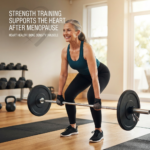
The truth is, strength training is one of the best tools for healthy aging when it is planned well. Group sessions can help improve:
- Bone density with safe resistance work
- Balance with controlled, stable movements
- Mobility with careful, active range of motion
- Cognitive function by learning and repeating new patterns
The key is structure. When a program is built with different ages and abilities in mind, it can challenge stronger members while giving others safer variations. Tempo, time under tension, and exercise choices can all be tuned to support joint health and daily function.
This matters as seasons change. Strong legs and better balance help lower your risk of slips on wet sidewalks. A strong back and core help with shoveling, yard work, or winter sports. When your training respects your age and your goals, group sessions become a tool for independence, not just a way to burn calories.
Upgrade Your Fall Training Plan with Science, Not Hype
Group gym training does not have to mean long classes, huge crowds, one-size-fits-all workouts, or chasing pain. When you strip away those myths, what remains is simple: targeted strength work, thoughtful intensity, and real attention to your body and your goals.
As you look at your current routine, ask yourself a few questions. Are you spending more time in the gym than you can realistically keep up? Do you get enough individual attention to feel safe pushing your limits? Are you dealing with recurring aches or injuries? Most importantly, do you feel stronger and more capable in daily life, or just tired after class?
At X Gym, we built our appointment-only personal and small group sessions around short, high-intensity training that supports functional strength and healthy aging. Our 21-minute, twice-weekly model, along with live online coaching and an app option, is designed for people who want science over hype and results that last longer than a single season.
This fall is a great time to question old beliefs and choose training that fits your real life. When you drop the myths and focus on what your body actually needs, you give yourself the chance to get stronger, move better, and stay active for years to come.
Join Our Community-Focused Training And See Results Faster
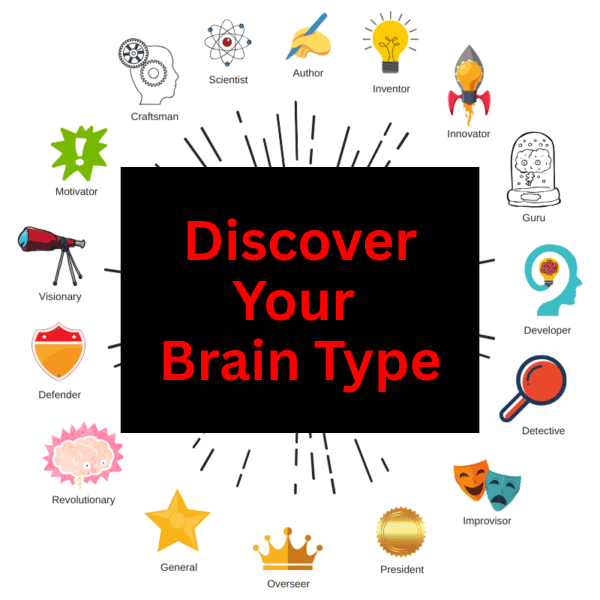
PJ has written a Kindle book about the mind-body fitness connection and has also designed customized brain training exercises for people who experience struggles, cravings, and mental blocks. These mental techniques literally rewire your brain, based on what makes sense to your unique brain type, discovered through his Brain Type Test. If you find yourself at a plateau or frustration point, one or both of these tools could be your breakthrough to faster, easier, and more permanent results.
If you are ready to move beyond solo workouts, our coaches and members are here to support your next step. Explore our group gym training options to find structured sessions that match your goals and schedule. At X Gym, we build programs that keep you accountable, challenged, and encouraged. Start today and experience how training together can help you reach your next level.
Latest Posts