The Ultimate Brain-Building Protocol: Why Intensity Trumps Duration for Cognitive Longevity, and The Power of HIT While Fasted
Brain-Derived Neurotrophic Factor (BDNF) is often described by researchers as Miracle-Gro for the brain. It is a specialized protein that supports the survival of existing neurons while encouraging the growth and differentiation of new neurons and synapses. High levels of BDNF are essential for neuroplasticity—the brain’s ability to rewire itself—which is the foundation of learning, memory, and long-term cognitive health.
Why BDNF Matters for Anti-Aging
As we age, BDNF levels naturally tend to decline, which is a primary driver of age-related cognitive impairment. Low BDNF is consistently linked to:
-
Dementia and Alzheimer’s: Reduced BDNF makes the brain more vulnerable to plaque and degeneration.
-
Brain Atrophy: Without enough BDNF, the brain literally shrinks over time.
-
Mental Sluggishness: Lower neuroplasticity means it takes longer to process information and learn new skills.
The Power of Intensity Over Duration
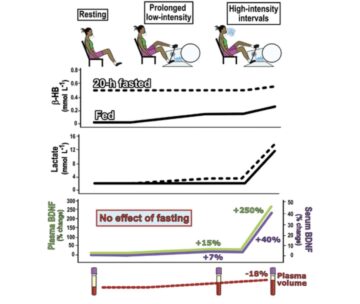
A study published in The Journal of Physiology compared different stressors to see which triggered the most BDNF. While a 20-hour fast increased healthy ketones by 9-fold, it did not raise resting BDNF levels. Similarly, 90 minutes of light exercise only provided a modest bump.
The real breakthrough came from High-Intensity Interval Training (HIIT). Just six minutes of high-intensity intervals increased every metric of circulating BDNF by 4 to 5 times more than prolonged light exercise. This surge was directly correlated with increased lactate levels—a metabolic byproduct once thought of as waste, but now recognized as a vital signaling molecule for brain health.
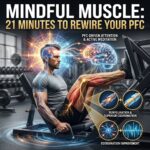
This BDNF spike is easily achieved with each of our 21-minute Xardio classes, and it also works just as well with our strength classes, both due to the HIT and HIIT nature of our exercise style.
The Ultimate Synergy: Fasting + High-Intensity Training
While fasting alone didn’t spike BDNF in this study, combining it with high-intensity training creates a potent physiological environment that acts as a powerful autophagy strategy. Autophagy is the body’s internal “cellular housekeeping” process, where damaged proteins and dysfunctional mitochondria are recycled (detoxifying the body of old and damaged cells). This detox strategy is just as beneficial for the brain as it is for the rest of the body because it happens systemically.
-
Metabolic Flexibility: Fasting shifts the body to burning fats and ketones.
-
BDNF Liberation: High-intensity training “unlocks” the BDNF stored in platelets and stimulates new production via lactate signaling.
-
Enhanced Autophagy: Both fasting and intense exercise trigger autophagy. When performed together, they act as a “force multiplier” to clear cellular debris associated with chronic disease and brain aging.
To maximize your biological youth, the research suggests that brief, maximum-effort bouts of activity are the most efficient way to flood your system with the proteins needed to keep your brain sharp and resilient. Then, timing it while fasted, adds another powerful anti-aging strategy of autophagy! This is why I (PJ) am so addicted to power morning Xardio classes, which I do before my first meal of the day.
References and Technical Context
Primary Study: Fasting and BDNF Response
-
Fasting for 20 h does not affect exercise‐induced BDNF: Demonstrates that high-intensity exercise is 4–5x more efficient at elevating circulating BDNF via lactate signaling than fasting or light exercise.
Autophagy and Fasting
-
Short-term fasting induces profound neuronal autophagy: Evidence that nutrient deprivation triggers the clearance of damaged proteins in the brain.
Fasted Exercise and Metabolic Signaling
-
Exercise and Regulation of Autophagy: Physical activity induces autophagy in multiple organs; performing it fasted enhances the AMPK pathway, a master regulator of longevity.
-
Skeletal Muscle Autophagy and Exercise: High-intensity training stimulates the recycling of mitochondria (mitophagy), improving energy efficiency.
Lactate as a Signaling Molecule
-
Lactate promotes BDNF expression in the hippocampus: Technical evidence showing lactate stimulates the SIRT1/PGC-1$\alpha$/FNDC5 pathway to increase BDNF production.
Latest Posts